A DOCUMENTARY SERIES BY DIGITAL WOXTER TECHNEWS
SPANISH GENIUSES
The forgotten story of Spanish science
Spanish inventors, scientists and pioneers who changed the world with hard work, talent and new technologies and whom almost nobody remembers. Each episode runs about twelve minutes and every fact is checked against reliable sources. Every episode comes in English and in Spanish.
Watch the series on YouTubeSubscribe for new episodes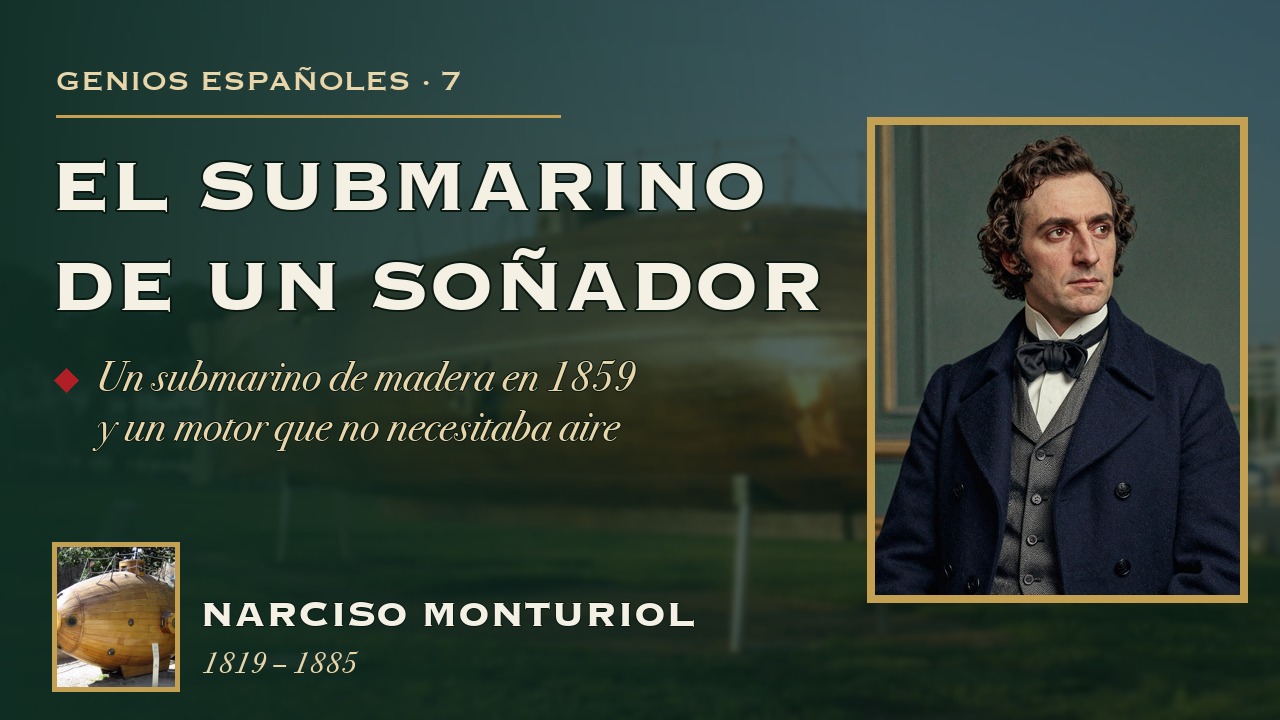
EPISODE 7
Narciso Monturiol: the Submarine Dreamer
In 1859, in Barcelona harbour, five men spent two hours and twenty minutes under the water inside the Ictíneo, the fish-shaped wooden boat of Narciso Monturiol, a printer from Figueras. With money from the public he built a second, seventeen-metre Ictíneo and tested a steam engine meant to run under the water without outside air. Today the submarine S-82 bears his name.
9:19 · 9 November 2026
Watch on YouTube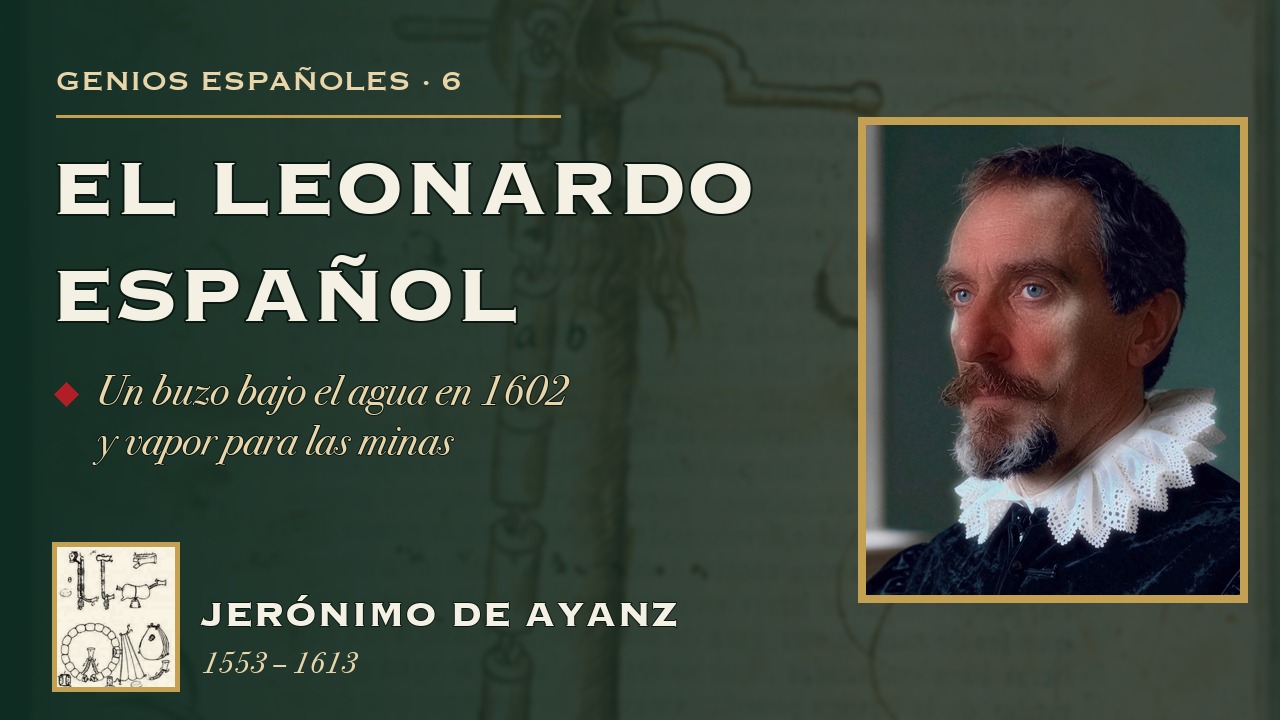
EPISODE 6
Jerónimo de Ayanz: the Spanish Leonardo
In 1602, in the river Pisuerga, a diver working for Jerónimo de Ayanz spent an hour under the water before King Philip III. A soldier, mines administrator and inventor, he visited some 550 mines, and in 1606 a royal privilege recorded nearly fifty of his inventions, among them a steam machine for draining mines, almost a century before Thomas Savery's patent.
10:02 · 3 November 2026
Watch on YouTube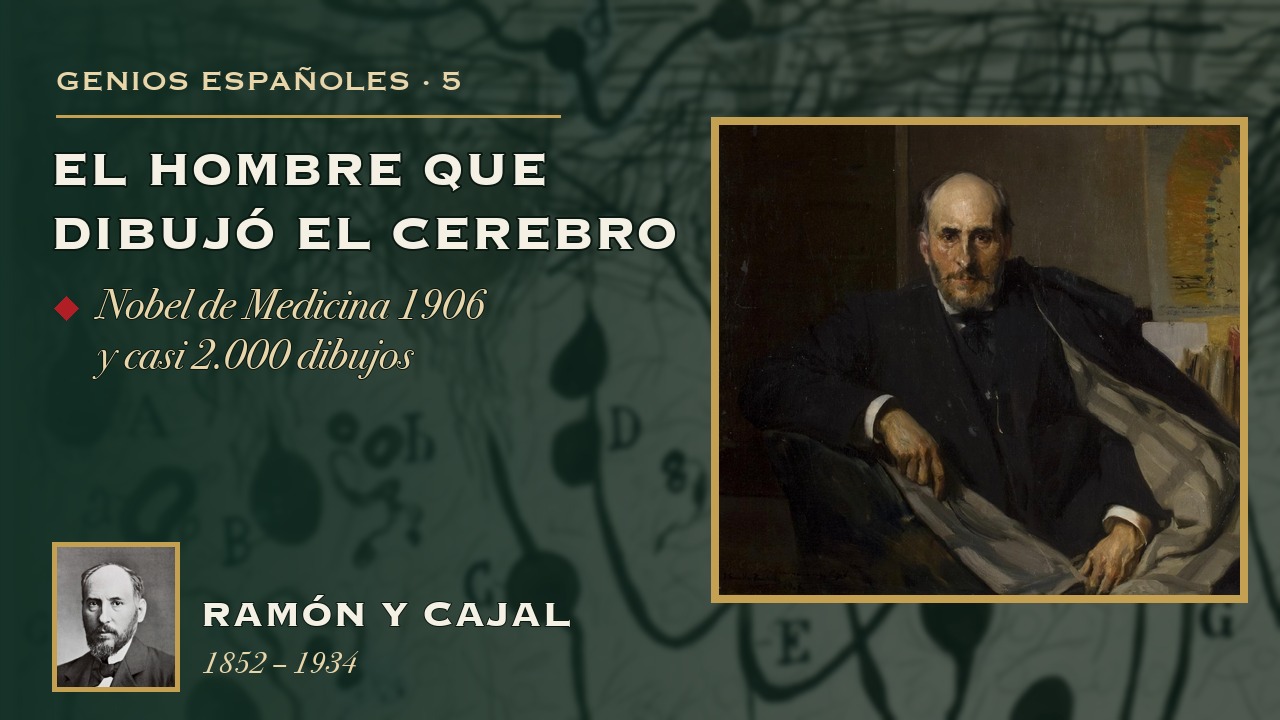
EPISODE 5
Ramón y Cajal: the man who drew the brain
As a boy he wanted to be a painter, and he ended up drawing the brain, cell by cell. Santiago Ramón y Cajal, born in Petilla de Aragón in 1852, improved Golgi's "black reaction" and showed that the brain is made of separate neurons that communicate through contact. In 1906 he shared the Nobel Prize in Medicine with Golgi. Today he is often called the father of modern neuroscience.
10:56 · 1 November 2026
Watch on YouTube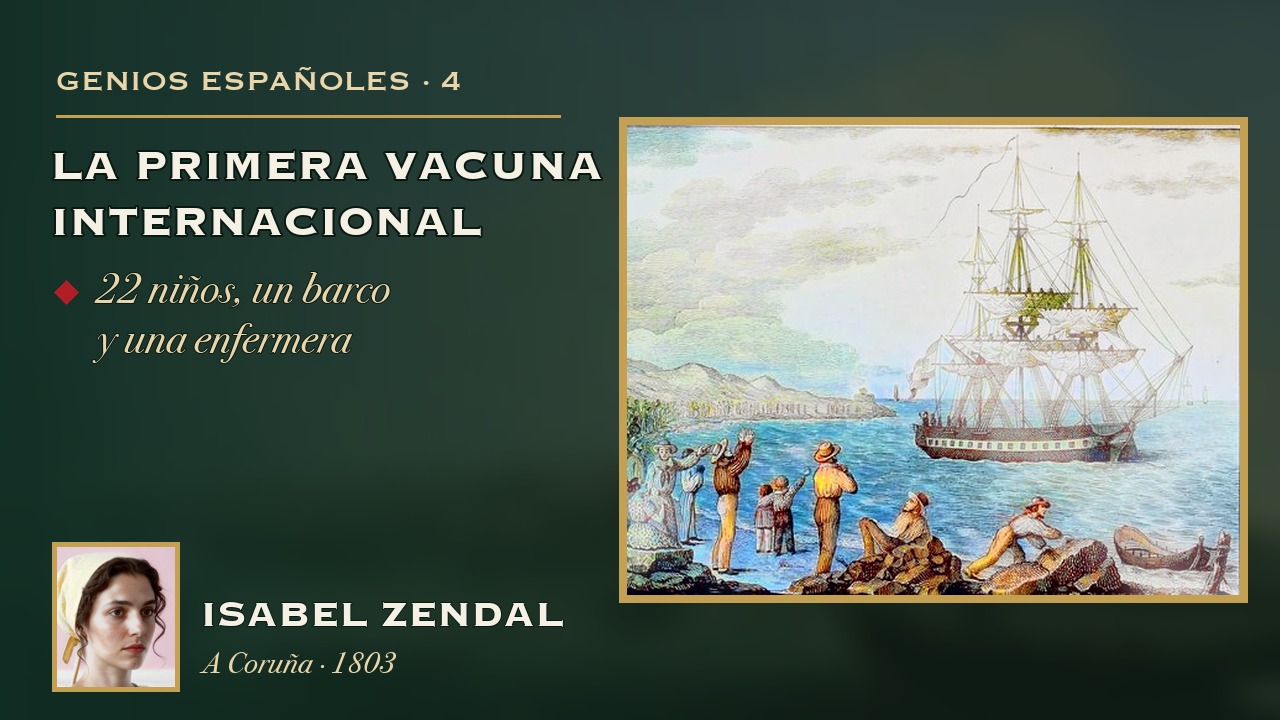
EPISODE 4
Isabel Zendal: the first international vaccine
In 1803, before refrigerators existed, the smallpox vaccine crossed the ocean alive, in the arms of 22 children. They were cared for by Isabel Zendal, head of the A Coruña foundling home and the only woman on the Royal Philanthropic Vaccine Expedition: from Ordes to America, Manila and Puebla, the story of the nurse who helped protect hundreds of thousands of people from smallpox.
10:34 · 28 October 2026
Watch on YouTube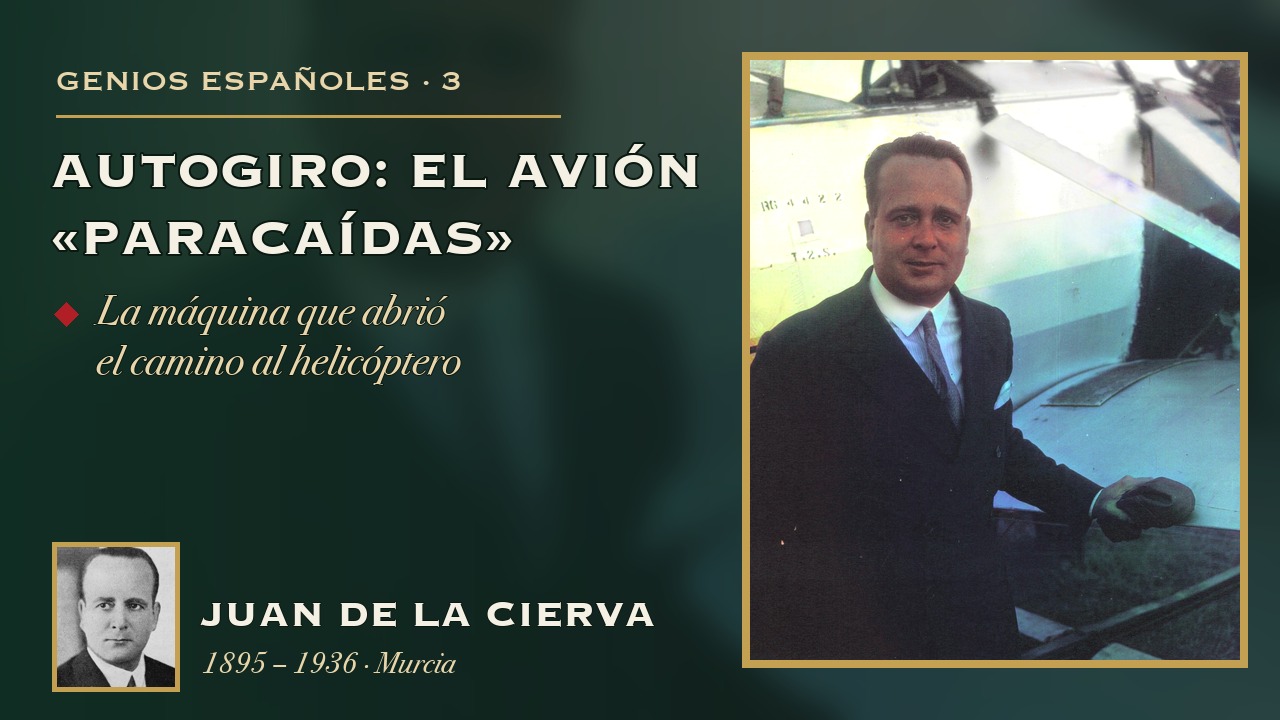
EPISODE 3
Juan de la Cierva · Autogiro: the “parachute” plane
In January 1923, at Getafe, a fault threw a strange machine upwards with no forward speed, and instead of falling it came down slowly, almost vertically. From the BCD group and the 1919 crash to the hinged blades, the first autogiro crossing of the English Channel and its legacy in the helicopter: the story of Juan de la Cierva.
10:53 · 26 October 2026
Watch on YouTube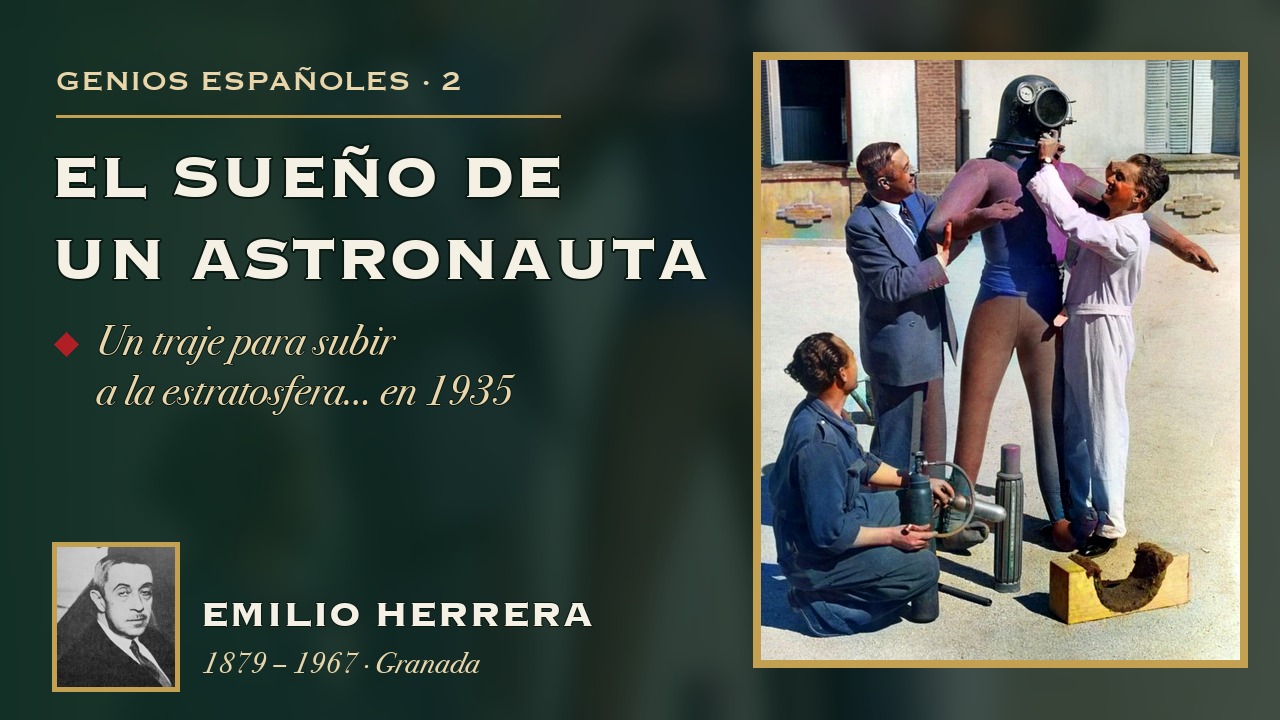
EPISODE 2
Emilio Herrera: an astronaut's dream
In 1935, 34 years before the Moon landing, an engineer from Granada designed a suit to ride into the stratosphere in an open basket hanging from a balloon, about 25 kilometres up. From the 1905 eclipse seen from a balloon to the Cuatro Vientos wind tunnel and the suit that never took off: the story of Emilio Herrera.
10:38 · 24 October 2026
Watch on YouTube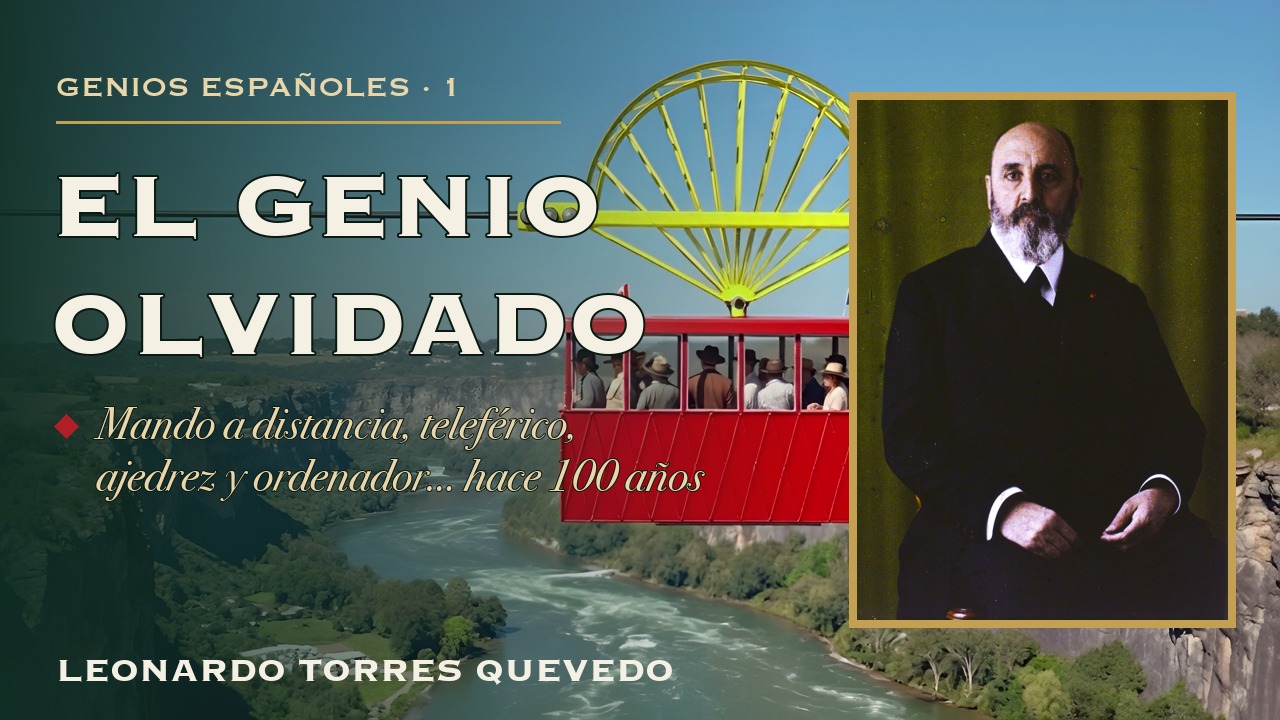
EPISODE 1
Leonardo Torres Quevedo: forerunner of the computer and the remote control
In September 1906, in the bay of Bilbao, a boat with nobody at the helm obeyed orders sent through the air. From the Telekino to the first cable car open to the public, the chess-playing machine El Ajedrecista, the Spanish Aero Car over the Niagara and his calculating machines: the story of the engineer from Cantabria who was ahead of his time again and again.
10:45 · 21 October 2026
Watch on YouTube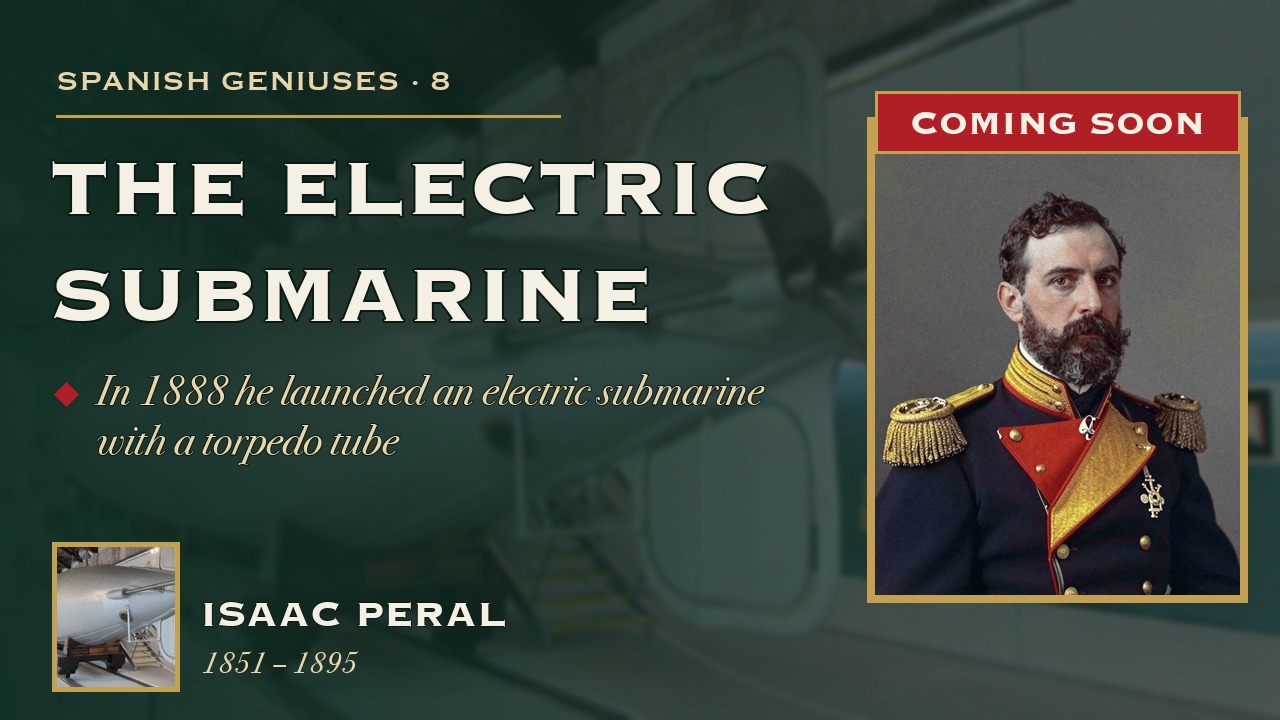
COMING SOON · EPISODE 8
Isaac Peral: the Electric Submarine
In 1888, naval officer Isaac Peral launched a submarine in Cádiz that ran on electricity and could fire torpedoes under water. You can still see it in Cartagena today. His story, coming soon.
Subscribe so you don't miss itPortrait reconstructed from the painting by Manuel Ussel de Guimbarda (public domain). Peral submarine in Cartagena: MdeVicente, CC0.
Made with real archive photographs and reconstructions of places and machines. Sources are listed in each video description.


