On Thursday 12 November 2026, Nvidia, the company whose chips power almost every big AI system, published a short statement: its founder Jensen Huang had resigned as president, chief executive and board member, effective immediately. He had run the company for 33 years, since the day it was founded. In four days the shares lost about 11 per cent, roughly half a trillion dollars of market value, NBC News reports.
The headlines were about his private life. But the story really starts years earlier, with a rule about where AI chips may go, a Singapore customer that bought billions of dollars of them, and a company built around one person. Here is the whole story, step by step, with what is confirmed, what is only reported, and what nobody knows yet.
Why it matters: Nvidia sells the hardware behind ChatGPT-style AI, and its chips are now treated by governments almost like oil or weapons. Who leads it, and whether its chips can be tracked, affects the price of AI, the race between the United States and China, and even the savings of millions of people whose pension funds own its shares.
The week in brief
- 29 October: The New York Times reports that Huang was seen as the target of a Chinese spy plot. Nvidia denies it (AP).
- Early November: The New York Times and the Financial Times describe a confidential US government memo about Huang and a former executive of Megaspeed, a Singapore cloud company and large Nvidia customer (TechCrunch).
- Sunday 8 November: Huang tells staff by email that he was unfaithful to his wife and apologises. The board opens an independent investigation (Nvidia).
- Monday 9 November: The shares fall about 4 per cent and a shareholder files a class-action lawsuit (ITV).
- Tuesday 10 November: The board hires former federal prosecutor Joon H. Kim and the law firm Wachtell, Lipton, Rosen & Katz (Korea JoongAng Daily).
- Wednesday 11 November: A second New York Times report describes another relationship, with a senior executive who reported directly to him. The board meets that night.
- Thursday 12 November: Huang resigns before the market opens. Finance chief Colette Kress becomes interim chief executive and Harvey Jones becomes the company’s first ever board chair.
- Friday 13 November: Malaysia’s prime minister says there is “no indication” the chips left his country; US Treasury Secretary Scott Bessent criticises the Commerce Department.

The man and the machine
Nvidia was founded on 5 April 1993 by Jensen Huang, Chris Malachowsky and Curtis Priem, who planned the company over meals at a Denny’s restaurant in San Jose, California (Nvidia timeline). The goal: chips that draw 3D graphics for games.
The first hit came in 1997. The RIVA 128 graphics chip launched that summer, and by January 1998 Nvidia had shipped its one millionth, according to its own timeline. In 1999 came the GeForce 256, which Nvidia marketed as the world’s first GPU, a “graphics processing unit”. And in 2006 the company made a quiet bet that changed everything: CUDA, free software that lets a graphics chip do any kind of maths, not only pictures.
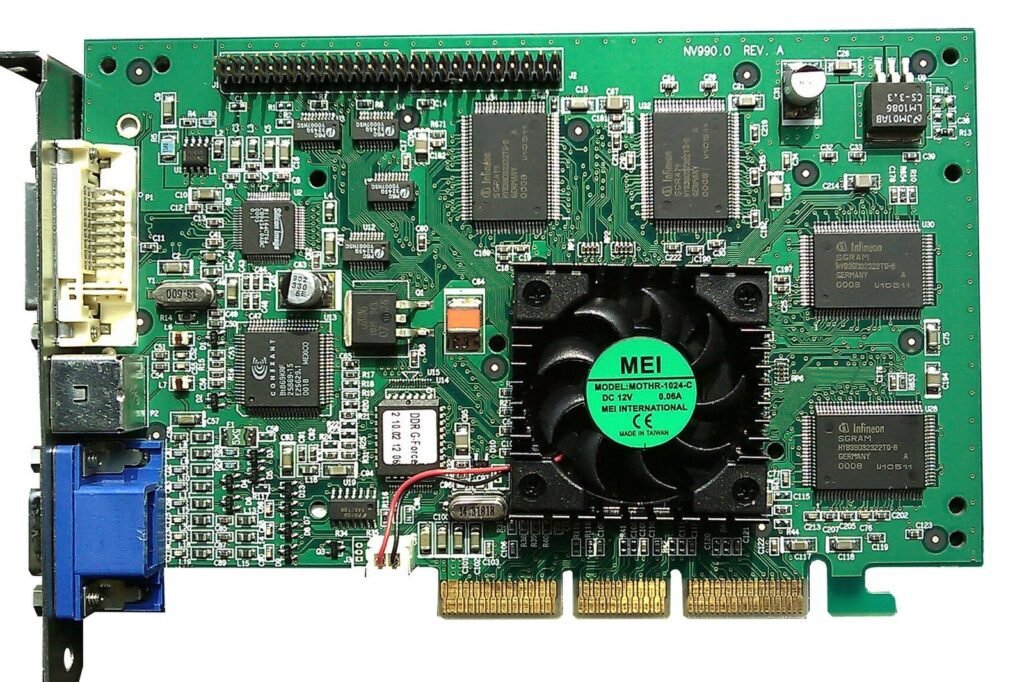
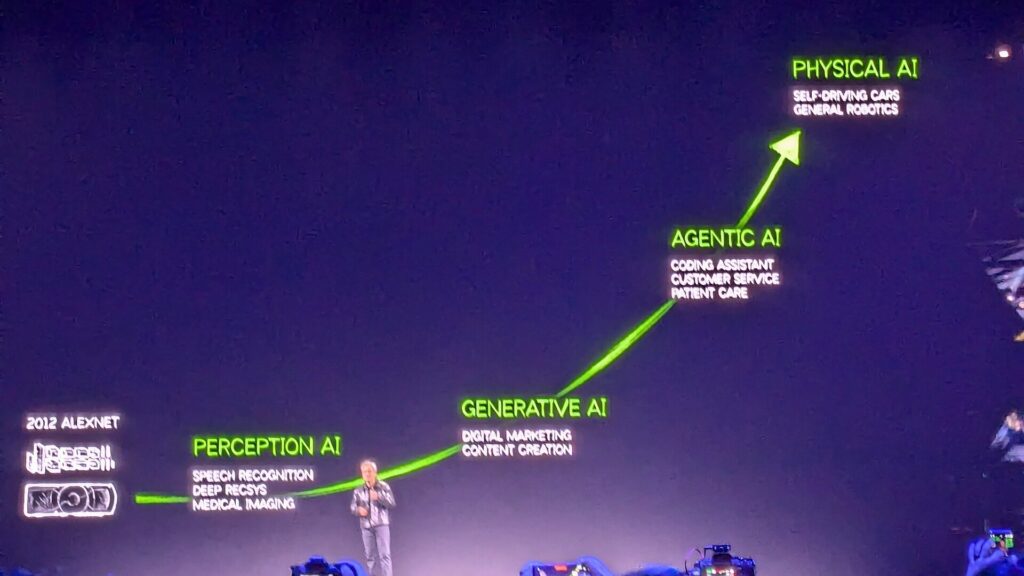
That bet paid off in 2012. A small team at the University of Toronto trained an image-recognition network called AlexNet on two Nvidia GTX 580 gaming cards, over five to six days, and beat every other method by a wide margin (the original paper). From then on, modern AI has run on GPUs. A graphics card is good at this for a simple reason: it does thousands of small calculations at the same time, and that is exactly what training a neural network needs.
Then the chatbot boom arrived. Nvidia passed a market value of one trillion dollars in May 2023, two trillion in March 2024, and became the first company ever worth four trillion on 9 July 2025 and five trillion on 29 October 2025 (AP via KTVU). Yearly sales grew from $4.13 billion in fiscal 2014 to $215.9 billion in fiscal 2026, the year that ended in January 2026 (Al Jazeera).
Through all of it, one person was in charge. Nvidia never even had a board chair. That detail matters later.
The wall: export rules on AI chips
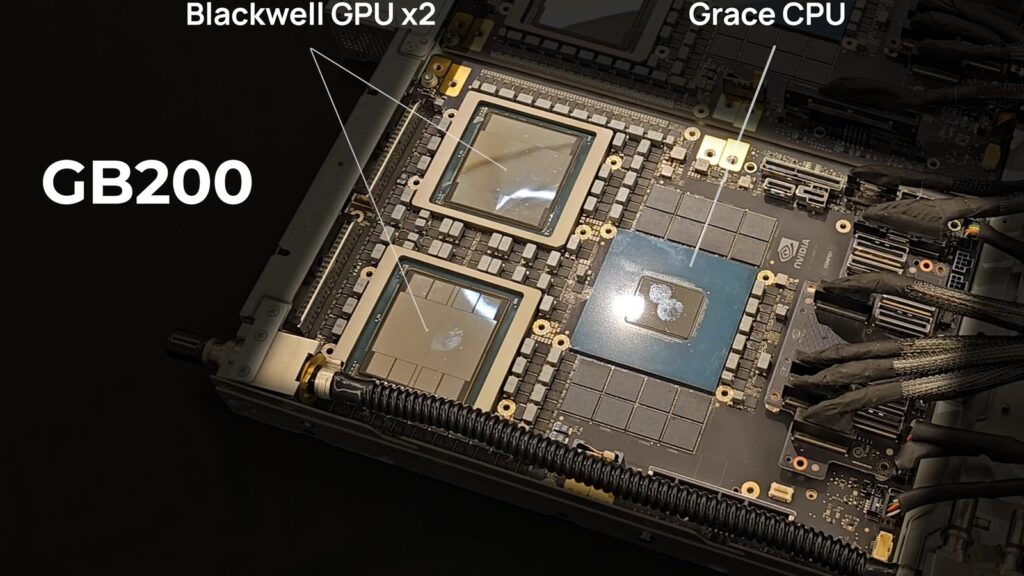
Since 2022 the United States has banned the sale of its most powerful AI chips to China, and the rules keep changing:
- April 2025: even the H20, a weaker chip made for China, needs an export licence. Nvidia books a $4.5 billion charge.
- August 2025: H20 sales may restart if the US government receives 15 per cent of the revenue (Al Jazeera).
- December 2025: Washington says the stronger H200 may be sold to approved Chinese customers, with a 25 per cent cut (Semafor); formal approval followed in January 2026.
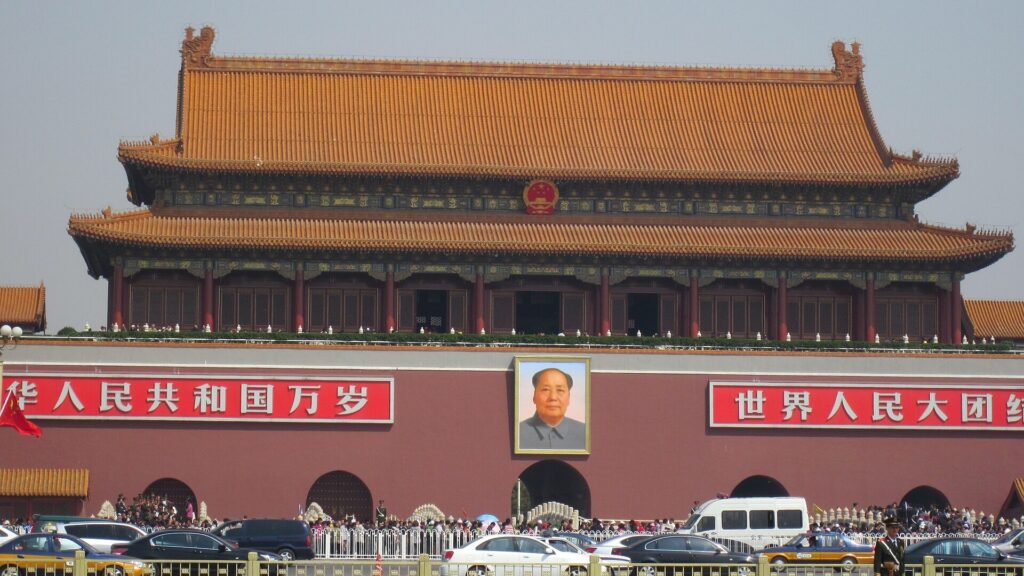
Huang argued against these limits in public many times. Even so, Nvidia’s own forecasts now assume no data-centre chip sales in China at all. Which raises the obvious question: if the front door to China is closed and Chinese companies still want these chips, where does the pressure go?
The buyer: Megaspeed
One answer investigators are looking at sits on a high floor of the Ocean Financial Centre tower in Singapore. According to company filings reported by CBS News, the company started in 2015 as 7Road International, part of a video-game developer from Shenzhen, China. In March 2023, a few months after the first chip rules, it was bought by an offshore company registered in the British Virgin Islands and renamed Megaspeed.
Then it went shopping. Megaspeed and its Malaysian affiliate Speedmatrix bought about $4.8 billion of Nvidia equipment in three years, making them one of Nvidia’s biggest customers in Southeast Asia (CBS News; Malay Mail). Its total assets grew about 90-fold to almost $3 billion between late 2023 and 2024, and its revenue went from zero in 2023 to more than $294 million in 2024, AP reports.
Reporters who went looking found very little. The New York Times found two people in the Singapore office on a working day. The Straits Times had earlier found no signs of activity there. In Australia, the only listed director of a Megaspeed branch registered in central Sydney turned out to be a 29-year-old who worked in his father’s newsagency in regional Victoria, more than 700 kilometres away, Australia’s ABC found. His father said he had never heard of Megaspeed, and he is not accused of any wrongdoing.
Megaspeed says it is a “neocloud”: it rents out computing power from GPU data centres in Malaysia and Indonesia. Renting chips to Chinese companies from outside China is not, by itself, against current US rules. The company says its business is “legitimate and lawful” and that it takes its compliance obligations under U.S. export control laws “extremely seriously”. On 15 November it said its former chief executive had left in August 2025 and that it has hired outside lawyers for an internal investigation (ABC/AP).
The investigators
Singapore police have been investigating Megaspeed since February 2025, over possible false declarations about server purchases and where the servers finally went. In the United States, the Justice Department’s National Security Division is running a criminal investigation into whether chips were smuggled into China, CBS News reports. US investigators quoted by CBS speak of about 240,000 chips; that number has not been confirmed elsewhere.
The fair part of the story matters just as much:
- Nobody has been charged. Singapore’s Ministry of Home Affairs said on 12 November that police and prosecutors found “insufficient evidence” of an offence by the company’s former chief executive linked to the declarations. She received a stern warning and an entry ban, and was not investigated for espionage. Inquiries into Megaspeed and six other people continue (Mothership; The Star). Singapore also says it got “limited information or assistance” from the United States.
- Malaysia: Prime Minister Anwar Ibrahim said there is “no indication” so far that the chips left the country (The Star). The trade ministry says it never gave Megaspeed or Speedmatrix any clearance, and checks by customs continue (New Straits Times).
- Nvidia says it follows US export law and put Megaspeed on its own blocked list in June 2025.
One thing puzzled people in Washington. According to the Financial Times, four government departments, Defence, State, Energy and Treasury, backed putting Megaspeed on the US trade blacklist, the “Entity List”, but the Commerce Department did not act. Treasury Secretary Scott Bessent told CNBC the agencies had backed it for months, “But Commerce has the pen” (Bloomberg via BusinessDay).

The week it broke
On 29 October the New York Times reported that US officials saw Huang as the target of a Chinese spy plot. In early November it and the Financial Times described a confidential memo that had circulated in Washington. It said US intelligence believed Huang had a personal relationship with Megaspeed’s former chief executive and suspected her of working with China’s Ministry of State Security (TechCrunch).

These are reported intelligence assessments, not proven facts. China’s embassy called them “groundless smears and slanders”. A former US official told NBC News she may not have been a career spy at all. Huang has not been accused of any crime.
On Sunday 8 November Huang wrote to his employees. “I was unfaithful to my wife,” he said, apologised, and backed an independent investigation. The board said it had “no reason to believe that either national security or Nvidia secrets were compromised”. For a few days it looked as if he might stay. President Donald Trump called him “an honorable guy”, and Elon Musk said hiring him would be an honour.
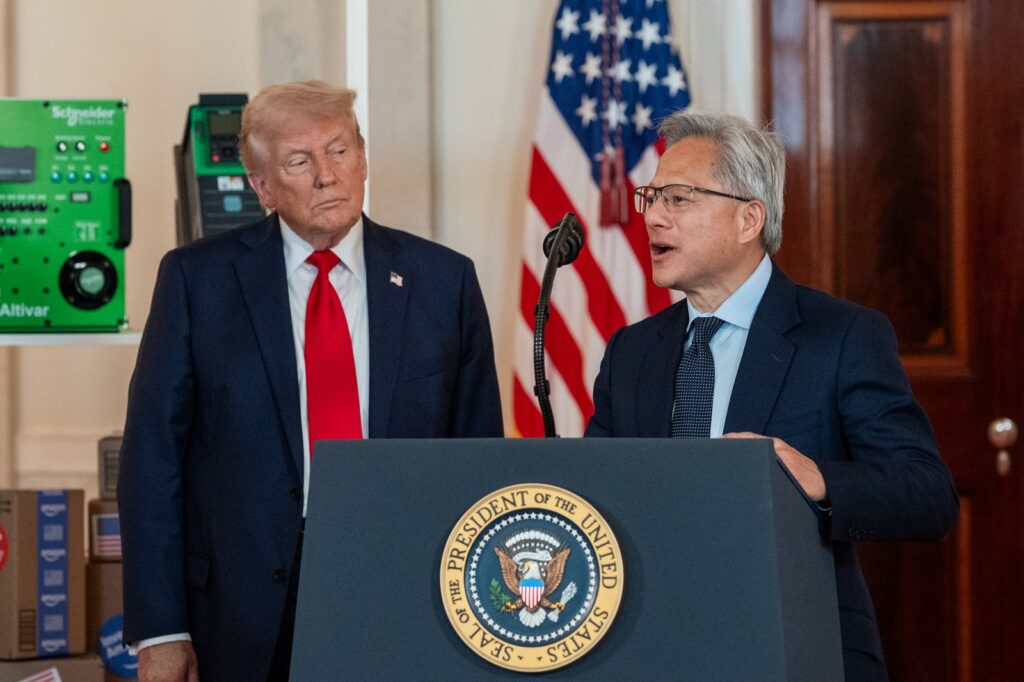
Then, on Wednesday 11 November, the New York Times, citing five former employees, reported a second relationship, with a senior executive who reported directly to him. That would appear to break Nvidia’s own code of conduct, which tells staff to avoid conflicts from personal relationships. The report has not been independently confirmed. The board met that night, and on Thursday morning, before the market opened, Huang resigned. A spokesperson told NBC News he “will not work with Nvidia in any capacity”.
The shares fell as much as 14 per cent at the opening bell and closed 4.3 per cent lower, at $166.19 (AP; Reuters via Wealth Professional). From the previous Friday’s close of $186.64, that is a fall of about 11 per cent in four trading days. Huang still owns about 3.6 per cent of the company.
How do you find a chip? Ask it to answer quickly
Now the part we like best, because it is pure physics. How could anyone check where a chip really is? A chip in a data centre has no GPS, and GPS would not work indoors anyway. But it is connected to the internet, and nothing travels faster than light.
So a trusted server sends the chip a tiny message, a “ping”, and times the reply. In optical fibre, light covers about 200 kilometres every thousandth of a second, so a reply that comes back in a few thousandths of a second means the chip is close; a slow one means it is far. It is the same idea as counting the seconds between lightning and thunder to judge how far away a storm is.
Do this from servers in several cities and the circles overlap, the way a phone finds its position from several masts. The answer is not a street address, but it is enough to tell which country a chip is in. A chip can pretend to be slower than it is. It cannot pretend to be faster than light.
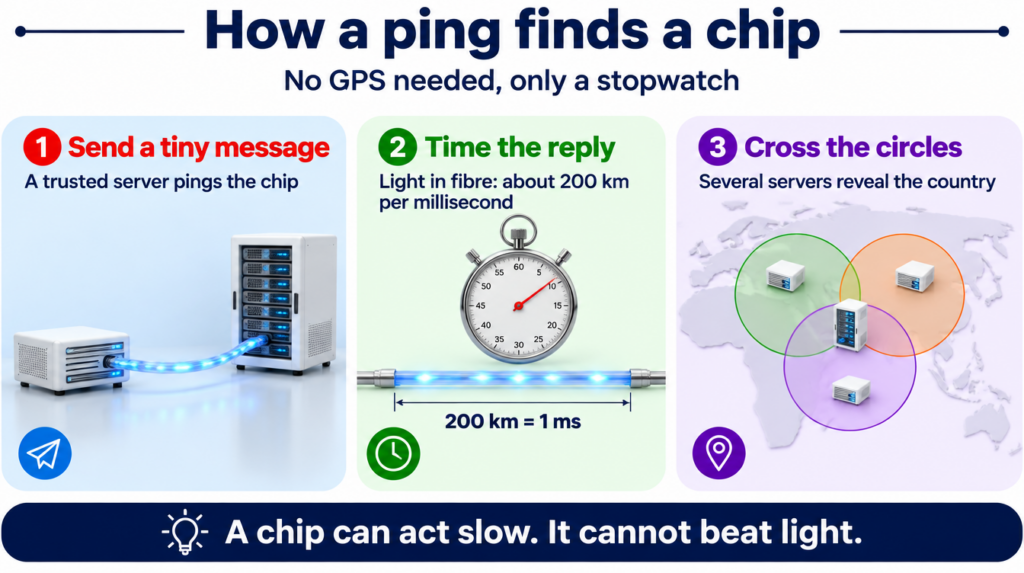
Nvidia has already built software like this. It compares ping times from several places to estimate where its chips are, The Register and Tom’s Hardware report. It is optional: data-centre owners choose to install it, and it has no “kill switch” to turn a chip off.
Two ways around the rule
An AI server is not a memory stick you slip into a pocket: a full cabinet weighs more than a car. Experts describe two routes for restricted chips to reach a country they are not meant for.
- Move the box. A buyer in an allowed country orders the servers, and they are later shipped on. This is against the rules, and it is what investigators are checking in this case. A location check can catch it.
- Move the work, not the box. The chips stay in a data centre in an allowed country, and a company elsewhere rents them over the internet, like watching a film on a streaming service without owning it. Under current US rules this is not an export at all, the Atlantic Council explains, and a location check passes, because the chips really are where they should be.
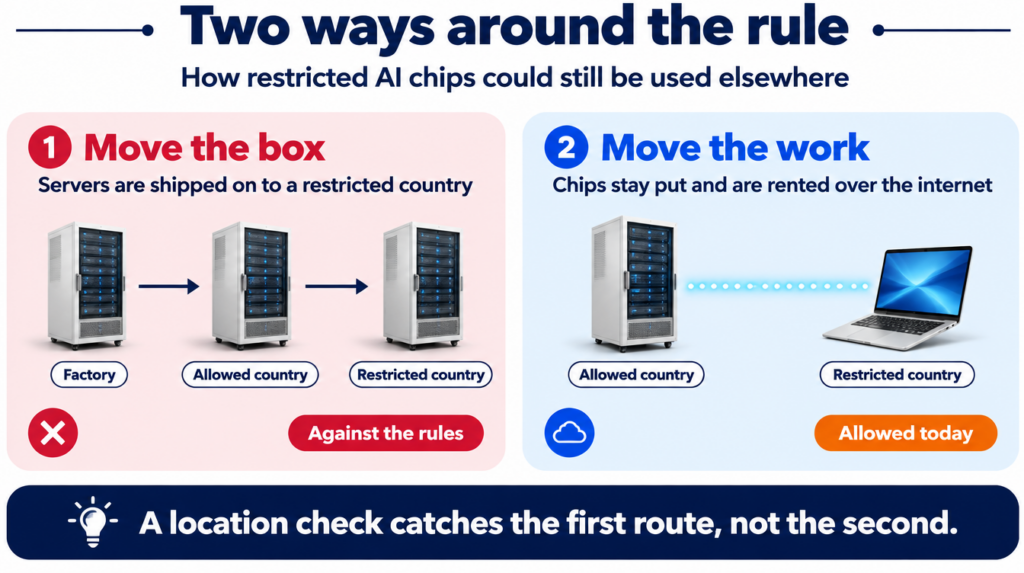
Two bills in Washington target these gaps. The Chip Security Act would require location checks on advanced AI chips; a House committee approved it 42 to 0 on 26 March 2026 (House China committee). The Remote Access Security Act covers renting restricted chips over the cloud; the House passed it by 369 votes to 22 on 12 January 2026, and it now waits in the Senate (House Clerk; The Register). Neither is law yet. As drafted, tracking would show where chips are, but would not switch them off, MIT Technology Review notes, and the US chip industry association calls mandatory tracking “new, untested, and potentially infeasible”.
After Jensen: who runs Nvidia now?
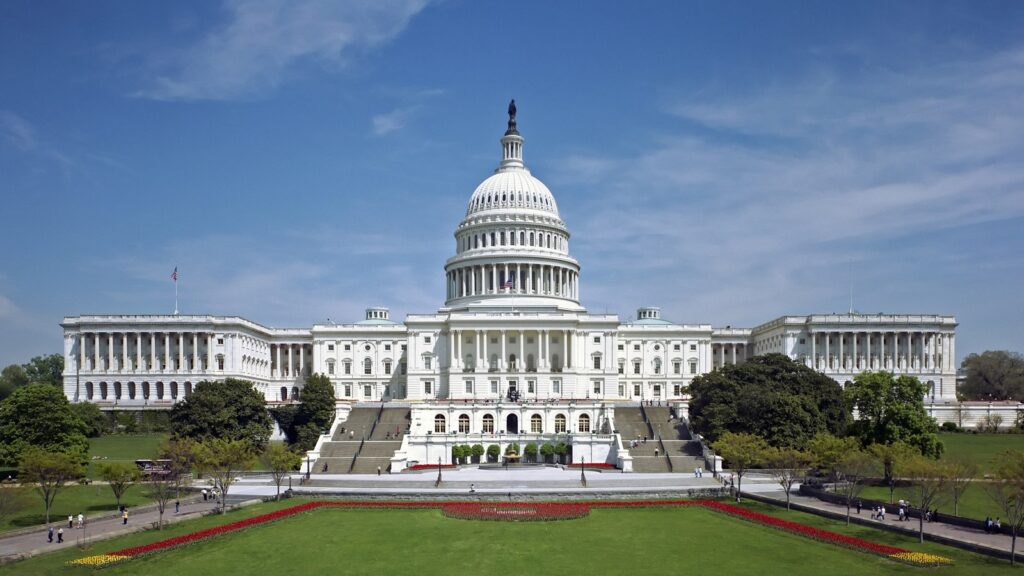
Colette Kress is interim chief executive and stays finance chief. She joined Nvidia as chief financial officer in September 2013, after finance jobs at Texas Instruments, Microsoft and Cisco. Harvey Jones, on the board since 1993, before the company was even on the stock market, becomes its first ever chair. He ran the chip-design software company Synopsys from 1987 and co-founded Daisy Systems and Tensilica (Reuters via The Star; Nvidia). The board is looking at internal and external candidates for a permanent chief executive.
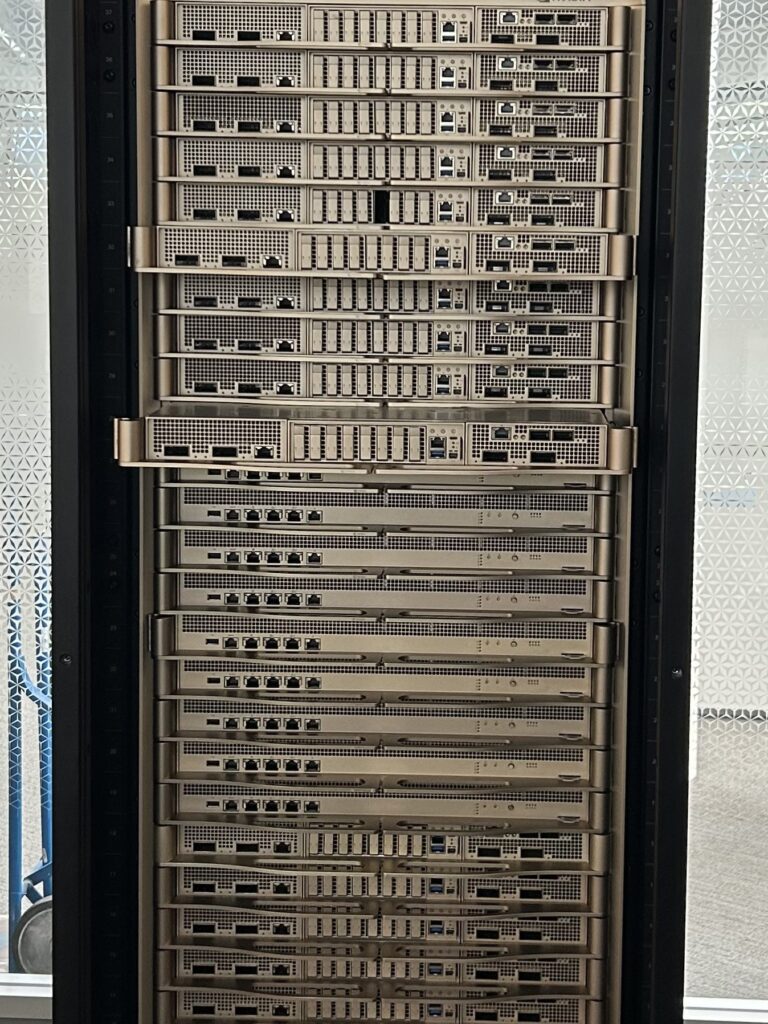
The product plan has not changed. Vera Rubin systems are in full production and already running at large cloud providers; Rubin Ultra is planned for the second half of 2027, and a generation called Feynman for 2028 (Nvidia; Tom’s Hardware).
The first test comes on 17 November, when Nvidia publishes its quarterly results after the US market closes. Its own forecast was $108.0 billion in sales for the three months, plus or minus 2 per cent, with no data-centre chip sales in China.
What happens next
- Investigations go on in the United States, Singapore and Malaysia, and inside Nvidia’s board.
- Congress: the chairs of three House committees had asked Huang for a closed-door briefing on 18 November; it is not clear whether it will still take place.
- Courts: a shareholder class action filed on 9 November claims investors were misled; Nvidia has not been found liable for anything.
- Laws: the two chip bills could move faster now that the case is front-page news.
Will Jensen Huang come back?
Huang is not just a boss who left: he founded the company and shaped it around himself. When he resigned he left “no obvious No. 2”, Fortune writes. Nvidia is famously flat. Fortune reports he had some 36 direct reports, and Huang himself has spoken of around 60 (Fortune; Wccftech). He has also said in an interview that he does not believe in classic succession plans, Wccftech reported. There was no chair either, until last week. So the board has to pick a leader for a company that was built so that one person held it together.

For now that person is Colette Kress, the finance chief for 13 years. Reuters lists her among the possible permanent choices, together with Ian Buck, the Nvidia engineer who led the creation of CUDA, Rene Haas, the head of chip designer Arm, AMD’s Lisa Su and Micron’s Sanjay Mehrotra (Al Jazeera). That list is speculation: the board has named nobody.
Many people want the founder back. An online petition called “Stand With Jensen” had more than 180,000 signatures by 16 November (The Globe and Mail; RTÉ/Reuters). Its website lists more than 8,800 people who say they are current Nvidia employees and more than 94,000 who say they are shareholders. Those labels are self-reported and have not been checked. Signers include Elon Musk, Shopify’s Tobi Lütke and Uber co-founder Travis Kalanick. The petition asks the board to reinstate Huang and to explain the scope and timeline of its investigation: “Jensen deserves due process, not mob justice,” it says. President Trump said he would not object to Huang returning, adding: “I think he learned a big lesson.”
The board, so far, says no. “The Nvidia board is not considering bringing Jensen back,” one of three people familiar with the matter told Reuters on 17 November (RTÉ). It is focusing on the investigation and the search for a new chief executive.
What the betting markets say. On Kalshi, a regulated US prediction market, people bet on who will be Nvidia’s next permanent chief executive before 1 January 2029; interim jobs do not count. Huang’s chance stood at 12 per cent on the day he resigned, 7 per cent the next day, 15 per cent on 15 November and 14 per cent on 16 November. Rene Haas led with 23 per cent and Ian Buck had 10 per cent (Kalshi). Huang’s number fell briefly to 6 per cent after the report that the board was not considering his return, then recovered to 11 per cent (The Defiant). On Polymarket a similar bet reached 17 per cent on 16 November, CryptoPotato reports. None of the markets we checked priced a comeback at 30 per cent. The highest figures, about 15 to 17 per cent, are for a return at any time in the next two years, not within a few months. Keep in mind that these are bets, not forecasts, and they jump with every headline.
What it means for the stock market and your savings
Nvidia is so big that its bad week touched almost everyone with a pension or an index fund. On the day Huang resigned, AP called it “the single heaviest weight on the S&P 500”, the index of the 500 largest US companies. The index fell almost 1 per cent at the opening bell and closed 0.4 per cent lower, at 7,592.40. The Nasdaq was down 1.6 per cent early and also closed 0.4 per cent lower (AP). The damage stayed limited because rivals rose: Broadcom gained 5.5 per cent and AMD 5.9 per cent, while the cloud company CoreWeave, a big Nvidia customer, lost 6.9 per cent. Nvidia’s shares were already 27 per cent below their October record before the resignation.
After the fall, Nvidia is no longer the biggest. The daily holdings file of State Street’s SPY fund, one of the largest S&P 500 index funds, shows Nvidia at 5.90 per cent of the fund on 16 November, third behind Apple (8.04 per cent) and Microsoft (6.01 per cent) (State Street). In plain words: about 6 of every 100 dollars in a typical S&P 500 fund sit in Nvidia. An 11 per cent fall in Nvidia alone therefore takes roughly two-thirds of one per cent off the whole fund, about $650 on a $100,000 retirement account, even for someone who never bought a single Nvidia share.
Everyone’s supplier at once. What makes Nvidia so unusual is that it sells to almost every rival in the AI race at the same time. When it launched its Vera Rubin systems in January 2026, it named as customers the leading AI labs, OpenAI, Anthropic, Meta, xAI, Mistral AI, Cohere and Perplexity among them, and the big clouds that compete with each other: Amazon Web Services, Google, Microsoft and Oracle (Nvidia). Even Google and Amazon, which design their own AI chips, still rent out Nvidia’s to their customers. Nvidia also invests in competing labs: up to $10 billion in Anthropic, announced in November 2025, after saying it would put up to $100 billion into OpenAI (New Straits Times; Built In). No other chip designer sits in the middle of the whole industry like this. That is why a crisis at the top of Nvidia worries the whole sector, not just its shareholders.
The bigger link to the economy is AI spending. Nvidia’s sales are mostly the money that cloud companies and large firms pour into AI data centres. Its forecast of $108 billion for one quarter works like a thermometer for the whole AI building boom: chip factories, memory makers, power companies and construction firms. That is why the results on 17 November matter far beyond one company. A strong report says the AI boom is still running, with or without its founder. A weak one would hit far more than Nvidia’s own shareholders.
What it really means
This was not only about one man’s mistakes. For 33 years one of the most important companies on Earth depended on a single person, with no chair above him. And the chips he sold became so strategic that governments now want to know where every one of them is. That question will outlive this scandal. Your phone has been able to prove where it is for years. The chips behind AI may be next.
Read next
- Nvidia explained: the heart of AI
- What are the CPU, GPU, NPU and TPU? The definitive guide
- NTT moves data with light, not wires, inside AI data centres
- Rapidus 2nm: Japan’s bid to build the world’s tiniest chips
The week's best tech stories, free
One email a week with the stories that matter, explained simply. No spam.
Sources
- NVIDIA Announces CEO Transition (Form 8-K), U.S. Securities and Exchange Commission, 12 November 2026
- Statement from NVIDIA Board of Directors, NVIDIA Newsroom, 8 November 2026
- Nvidia CEO Jensen Huang resigns, NBC News, 12 November 2026
- Why did Nvidia CEO Jensen Huang resign, and who is Colette Kress?, Al Jazeera, 12 November 2026
- A plunge for Nvidia’s stock drags Wall Street lower, AP via The Atlanta Journal-Constitution, 12 November 2026
- Wall Street absorbs the hit as Nvidia touches a 52-week low, Wealth Professional (Reuters), 12 November 2026
- Nvidia CEO Jensen Huang resigns, AP via WBTV, 12 November 2026
- Nvidia denies report CEO was allegedly targeted in Chinese spy plot, AP via 6abc, 29 October 2026
- Report on the US intelligence memo, TechCrunch, 7 November 2026
- Nvidia shareholders sue Jensen Huang, Korea JoongAng Daily, 10 November 2026
- A shareholder sues Nvidia and Jensen Huang, ITV News, 10 November 2026
- Korean American ex-prosecutor to lead Nvidia probe, Korea JoongAng Daily, 11 November 2026
- Megaspeed’s vacant offices raise questions about ties to Nvidia and China, CBS News, 13 November 2026
- Singapore got little help from U.S. on Nvidia chip probe, CBS News, 13 November 2026
- Megaspeed linked to regional Victorian man, ABC (Australia), 10 November 2026
- Megaspeed statement on its former chief executive, ABC (Australia) / AP, 16 November 2026
- MHA statement on the Megaspeed investigation, Mothership, 12 November 2026
- Singapore says it found insufficient evidence to prosecute, The Star (Bloomberg), 13 November 2026
- No indication AI chips were exported from Malaysia, says PM Anwar, The Star, 13 November 2026
- No indication AI chips were exported from Malaysia, Malay Mail, 13 November 2026
- MITI: no clearance granted to Megaspeed, Speedmatrix, New Straits Times, 13 November 2026
- Bessent blames Commerce over Megaspeed, BusinessDay (Bloomberg), 13 November 2026
- Beyond the spy scandal: what the Nvidia-Megaspeed case reveals about export controls, Atlantic Council, 12 November 2026
- Nvidia privately confirmed it could track chips to fight smuggling, MIT Technology Review, 12 November 2026
- Nvidia chip location tracking software, The Register, 10 December 2025
- Nvidia details opt-in location software for AI GPUs, Tom’s Hardware, December 2025
- House committee passes Chip Security Act, House Select Committee on the CCP, 26 March 2026
- Roll call 13: Remote Access Security Act, Office of the Clerk, U.S. House, 12 January 2026
- House votes to close the China GPU cloud gap, The Register, 13 January 2026
- Corporate timeline, NVIDIA
- ImageNet Classification with Deep Convolutional Neural Networks, Krizhevsky, Sutskever and Hinton, NeurIPS 2012
- Nvidia becomes first company valued over $5 trillion, AP via KTVU, 29 October 2025
- Nvidia, AMD to pay 15% of China chip sales to US government, Al Jazeera, 11 August 2025
- Commerce to open up exports of Nvidia H200 chips to China, Semafor, 8 December 2025
- NVIDIA Announces Financial Results for Second Quarter Fiscal 2027, NVIDIA Newsroom, 26 August 2026
- Factbox: who is Harvey Jones, The Star (Reuters), 12 November 2026
- Nvidia roadmap: Rubin, Rubin Ultra, Feynman, Tom’s Hardware
- Jensen Huang left Nvidia with no obvious No. 2, Fortune, 12 November 2026
- Fortune 500 CEOs say Nvidia succession failed the most basic test, Fortune, 15 November 2026
- NVIDIA CEO doesn’t believe in succession plans, Wccftech
- Tech leaders sign petition for Nvidia to bring back Jensen Huang, The Globe and Mail, 16 November 2026
- Nvidia rules out Huang comeback amid return campaign, RTÉ (Reuters), 17 November 2026
- Jensen Huang return odds more than double, Kalshi, 16 November 2026
- Huang’s Nvidia return odds rebound to 11% on Kalshi, The Defiant, 16 November 2026
- Jensen Huang to return as NVIDIA’s CEO? Prediction market odds soar, CryptoPotato, 16 November 2026
- SPY daily fund holdings (as of 16 November 2026), State Street Global Advisors, 16 November 2026
- NVIDIA Kicks Off the Next Generation of AI With Rubin, NVIDIA Newsroom, 5 January 2026
- Nvidia, Microsoft invest US$15bil in AI startup Anthropic, New Straits Times, 18 November 2025
- Microsoft and NVIDIA to invest in Anthropic as part of new AI partnership deal, Built In, 18 November 2025