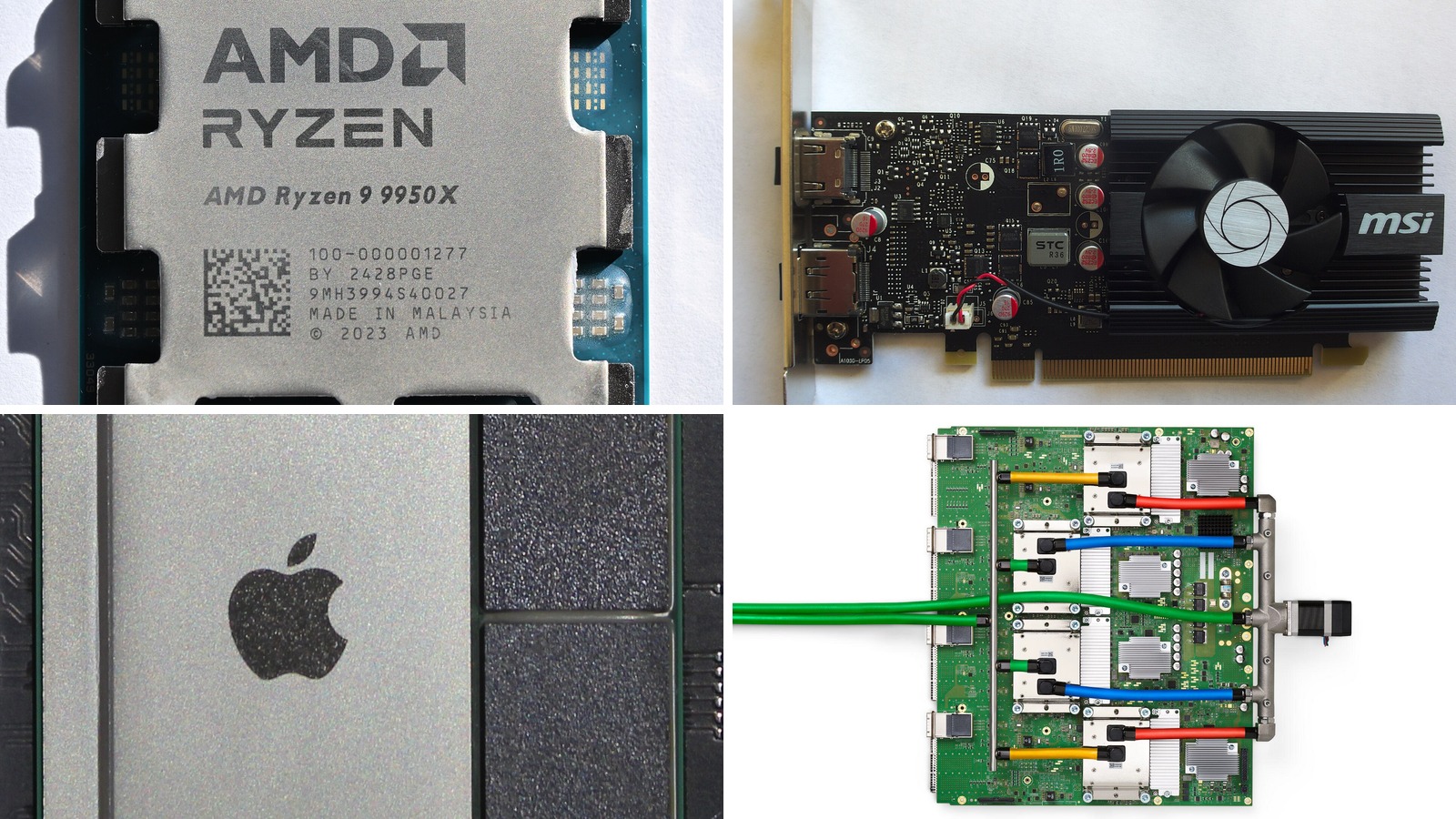
Open the specs of any new laptop or phone and you meet a small alphabet: CPU, GPU, NPU, and in the news about AI, TPU and DPU too. They are all processors, but each one is built for a different kind of work. Imagine you are in a restaurant and the problem is serving thousands of people at once. One head chef, however good, can’t cook thousands of dishes at the same time: the kitchen needs a team of cooks working together, a waiter to carry the plates and a few specialist gadgets. Chips work the same way, and that is how we explain what each one does, where it came from and why it matters for AI.
Why it matters: AI has turned chips into a buying decision again. Knowing which part does what helps you understand why a laptop gets new AI features, why gaming laptops are good at AI, and why Google and Nvidia build such different chips for data centres.
CPU: the head chef
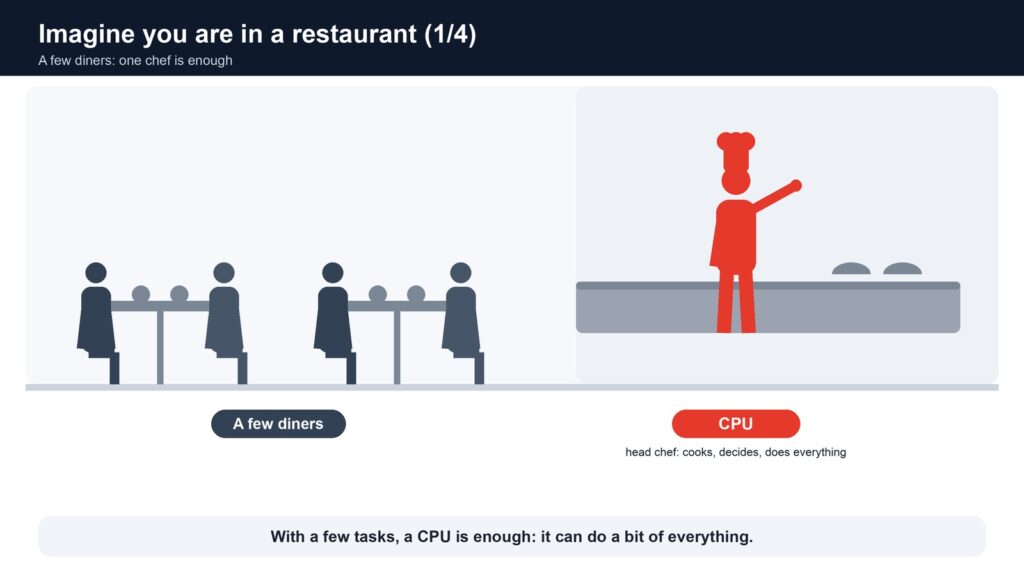
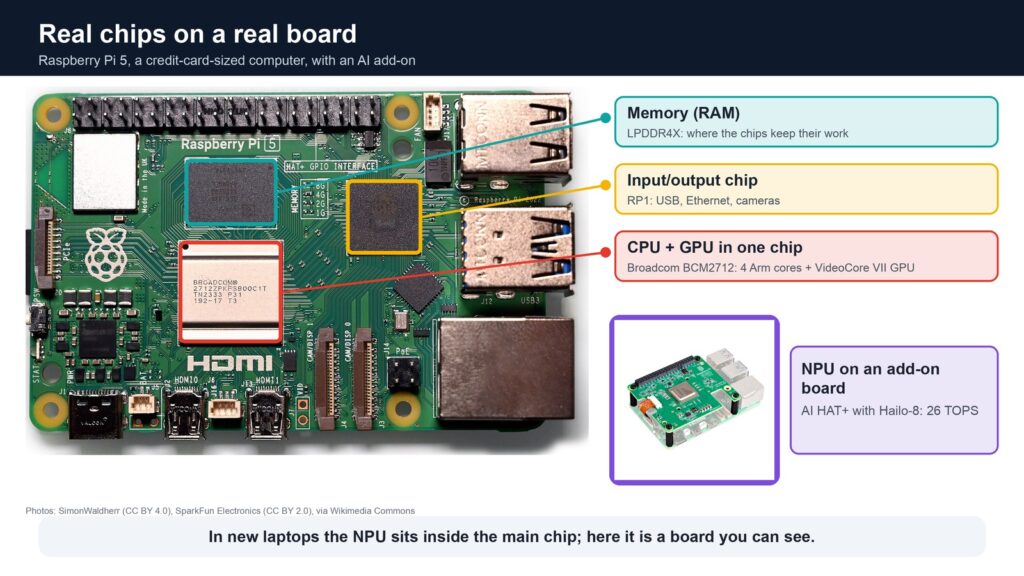
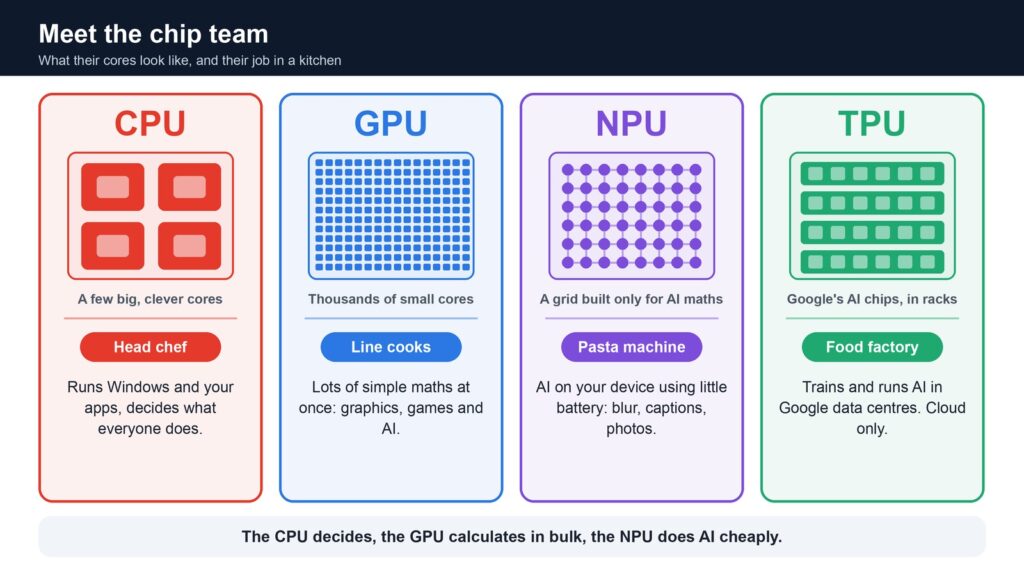
The CPU (central processing unit) is the general-purpose brain of every computer. It has a handful of very capable cores, often 4 to 16 in a consumer laptop, that work through instructions one after another, very fast, and can switch between completely different jobs in an instant. It runs the operating system, your browser and your apps, and it decides what the other chips should do.
Think of a head chef: not the fastest at chopping 1,000 onions, but able to cook anything and keep the whole kitchen organised.
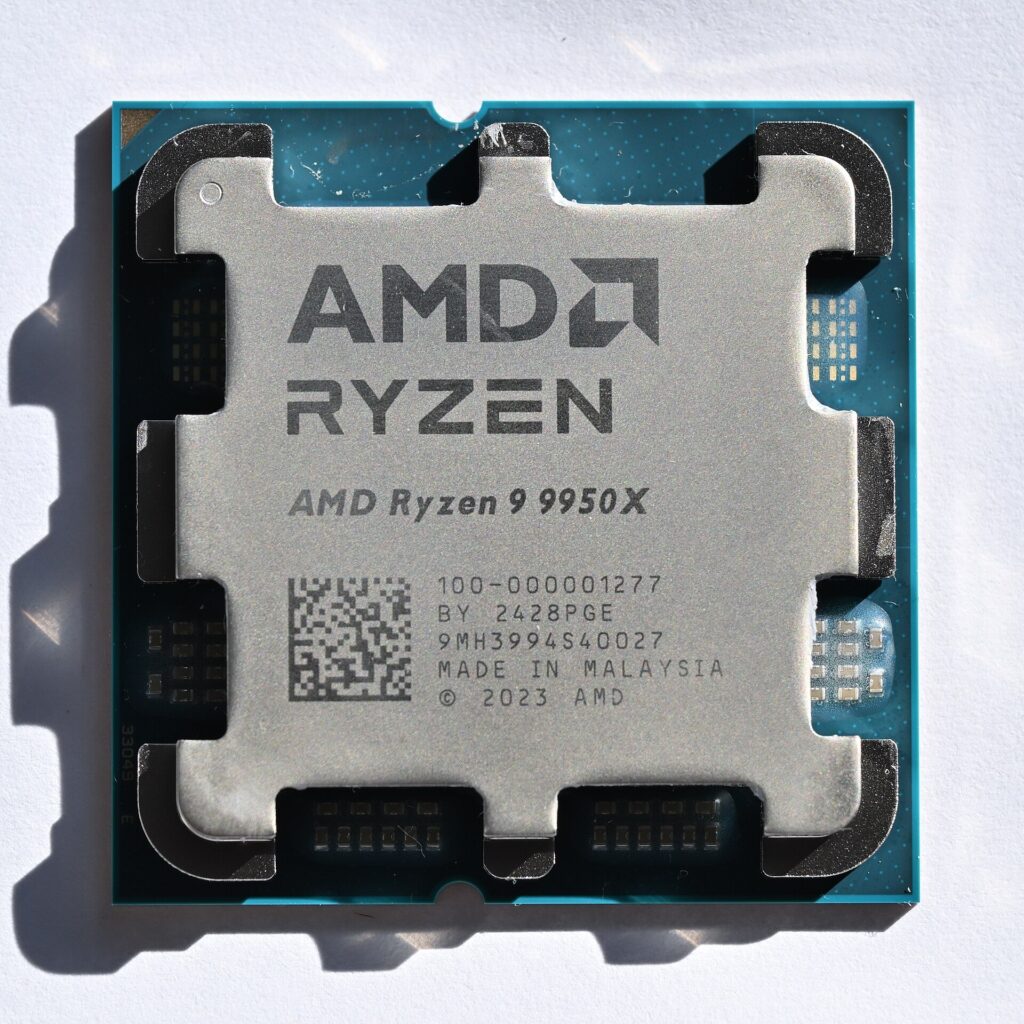
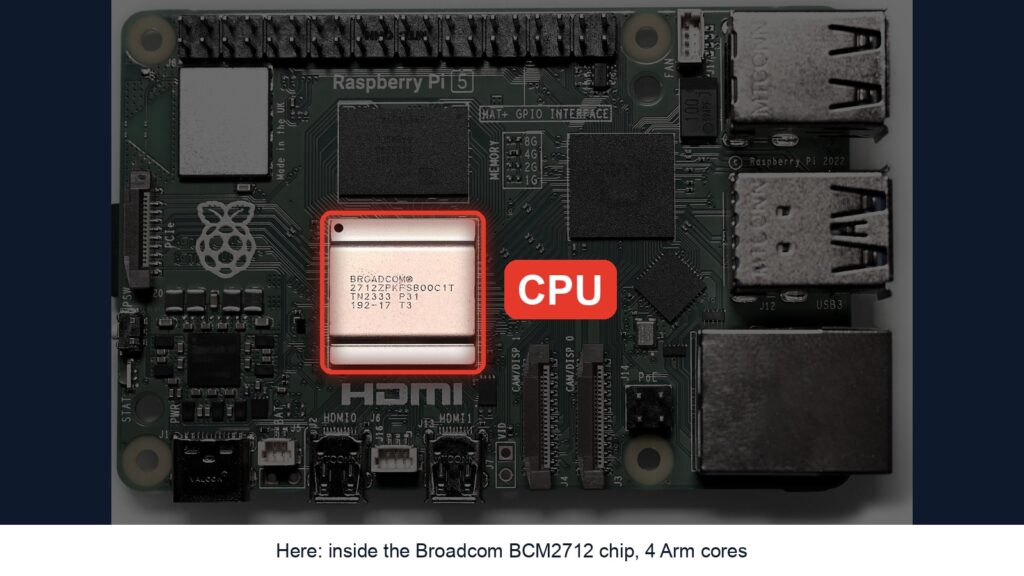
Where it came from: the first commercial microprocessor, the Intel 4004, went on sale on 15 November 1971. A small team designed it, including Federico Faggin, Ted Hoff, Stanley Mazor and Masatoshi Shima, Elektor recalls. It had 2,300 transistors; today’s CPUs have billions.
Why it isn’t enough on its own: because the CPU is a generalist, built to handle many different tasks one after another, it is a poor fit for jobs that need the same simple calculation millions of times at once, such as drawing every pixel of a 3D game or multiplying the giant tables of numbers inside an AI model. Its few cores would have to queue all that work, so it is slow and uses a lot of energy. That is why those jobs moved to specialist chips.
GPU: the army of line cooks
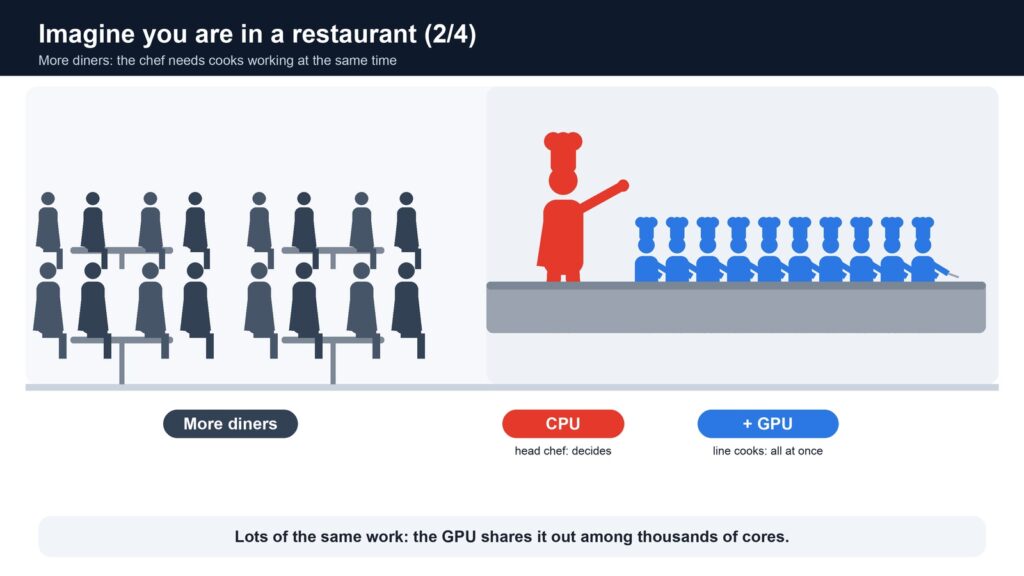
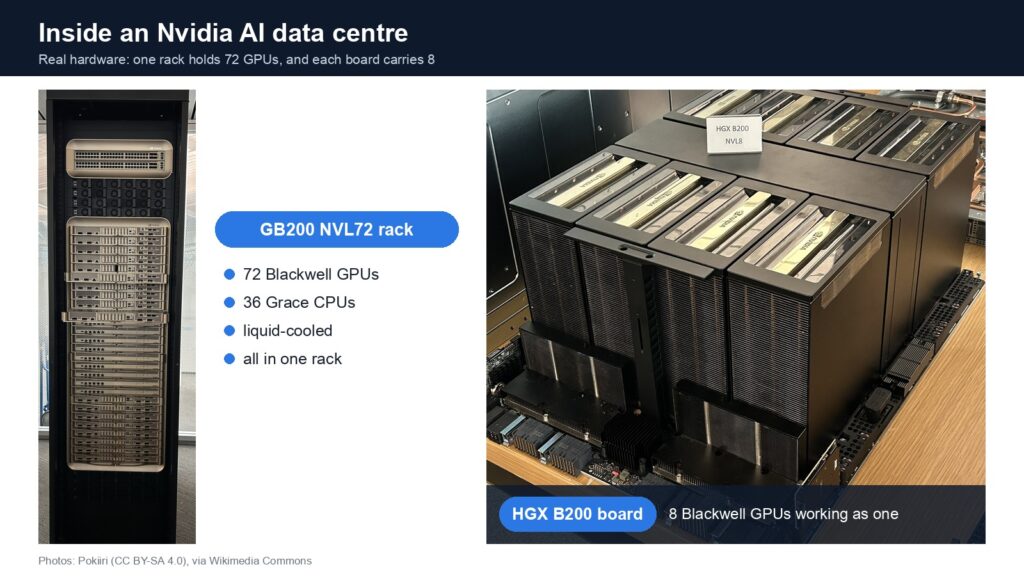
The GPU (graphics processing unit) was invented to draw images, which means doing the same simple maths for millions of pixels at once. So instead of a few big cores it has thousands of small ones working in parallel. That same design turned out to be perfect for AI, whose models are mostly huge piles of multiplications, which is why graphics cards became the engine of the AI boom.
In the kitchen, the GPU is a brigade of line cooks all chopping at the same time: unbeatable for big batches, but each cook only does simple tasks.
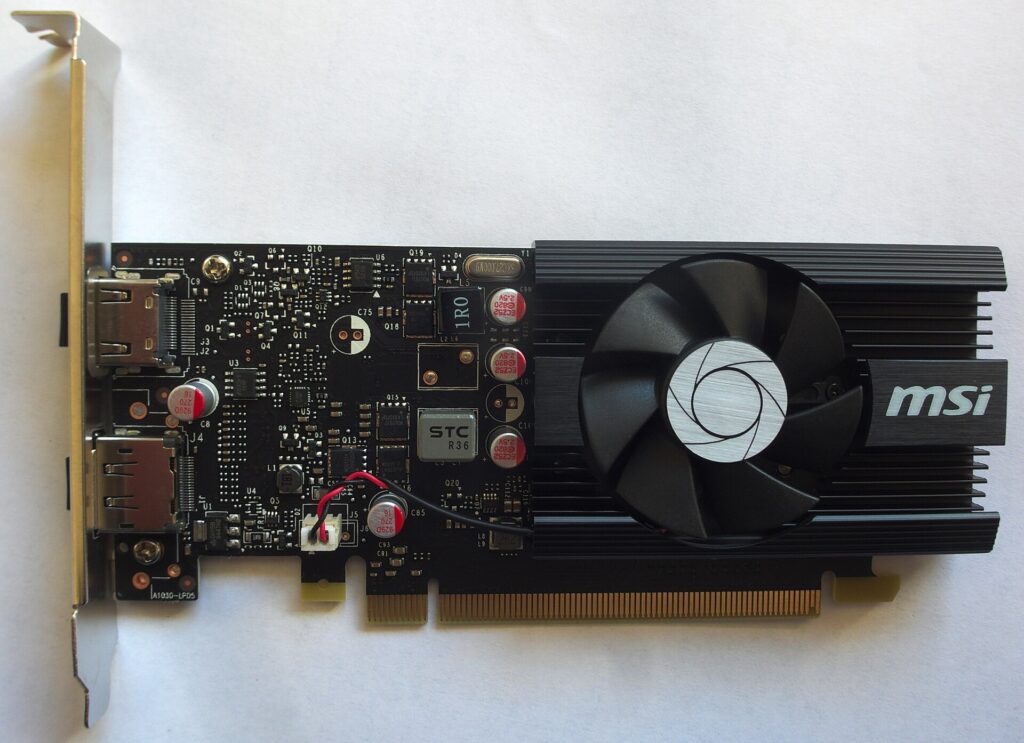
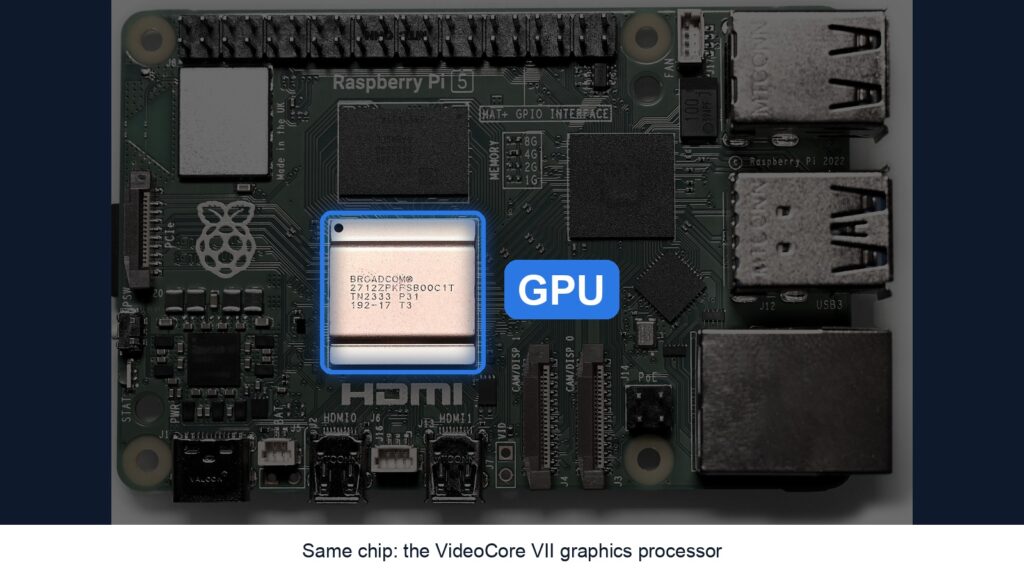
Where it came from: Nvidia launched the GeForce 256 in October 1999 and marketed it as “the world’s first GPU”, because it moved the 3D maths for lighting and shapes off the CPU and onto the graphics chip, Electronic Design explains. The name was older, but that chip made it stick.

From games to AI, thanks to CUDA: Nvidia was founded in 1993 by Jensen Huang, Chris Malachowsky and Curtis Priem, who planned the company in a Denny’s diner in San Jose, CNBC recalls, with 3D graphics for games as the first goal. The big turn came with CUDA, a programming system Nvidia released in 2007 that let developers use the GPU’s thousands of cores for any kind of calculation, not only graphics. In 2011–2012 a student, Alex Krizhevsky, used CUDA and two Nvidia cards in his bedroom to train AlexNet, an image-recognition network that helped start today’s AI boom, the Computer History Museum explains. Since then, most AI has been trained on Nvidia GPUs.
Beyond games: telescopes. One of the first big scientific jobs for gaming GPUs was adaptive optics. Big telescopes shine a laser into the sky to make an artificial guide star, measure how the air blurs it, and bend a flexible mirror hundreds of times a second to cancel the twinkle, ESO explains. Those corrections need huge amounts of maths in real time, exactly what a GPU is good at. The PALM-3000 system at the Palomar Observatory in California does its real-time calculations on Nvidia GeForce 8800 GTX cards, gaming GPUs, according to a 2012 paper by its engineers, and ESO now uses a GPU-based test bench, GHOST, to prepare the optics of its Extremely Large Telescope.

NPU: the specialist gadget
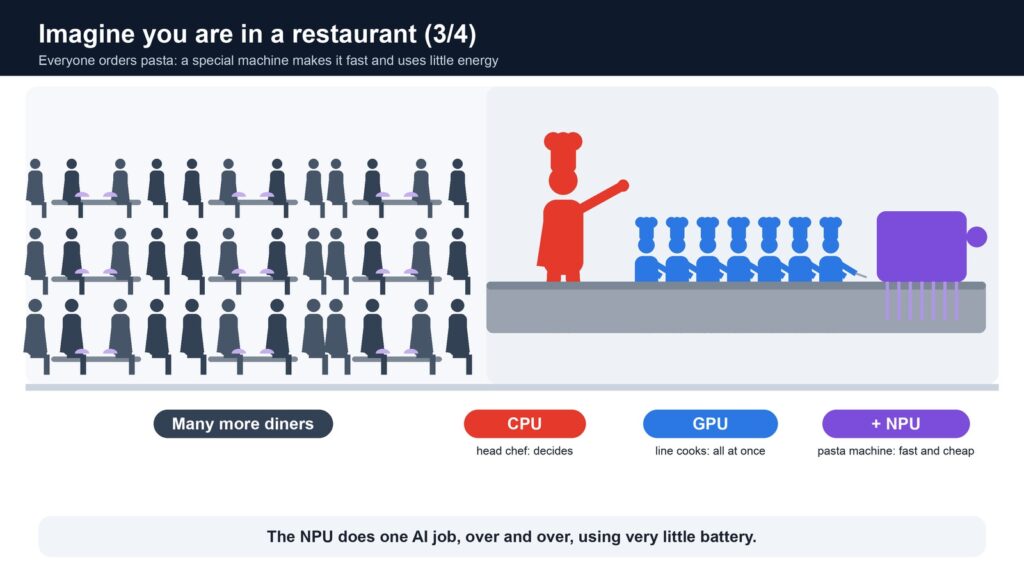
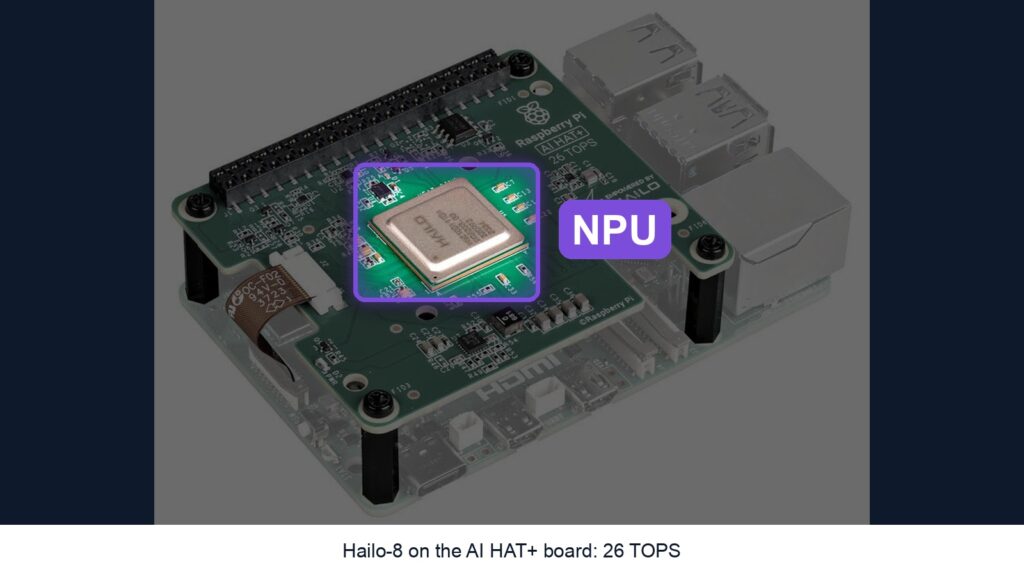
The NPU (neural processing unit) is a newer, smaller engine inside laptop and phone chips, built only for AI maths. IBM describes NPUs and GPUs as two helpers that complement the main CPU, with the NPU aimed at on-device AI using less energy. It runs things like background blur on video calls, live captions or photo clean-up while barely touching the battery. Its speed is measured in TOPS; Microsoft asks for 40 TOPS or more for a Copilot+ PC, as we explain in How many TOPS do you need?.
In our kitchen, the NPU is the clever gadget on the counter, like a pasta machine: it does one job, quickly and cheaply.
Where it came from: NPUs reached ordinary people in phones in 2017. Huawei presented its Kirin 970 at IFA in Berlin as the first chipset with a dedicated NPU, and Apple followed a week later with the Neural Engine in the iPhone’s A11 Bionic, Engadget reported. Laptops got them from 2023.
All three on one chip
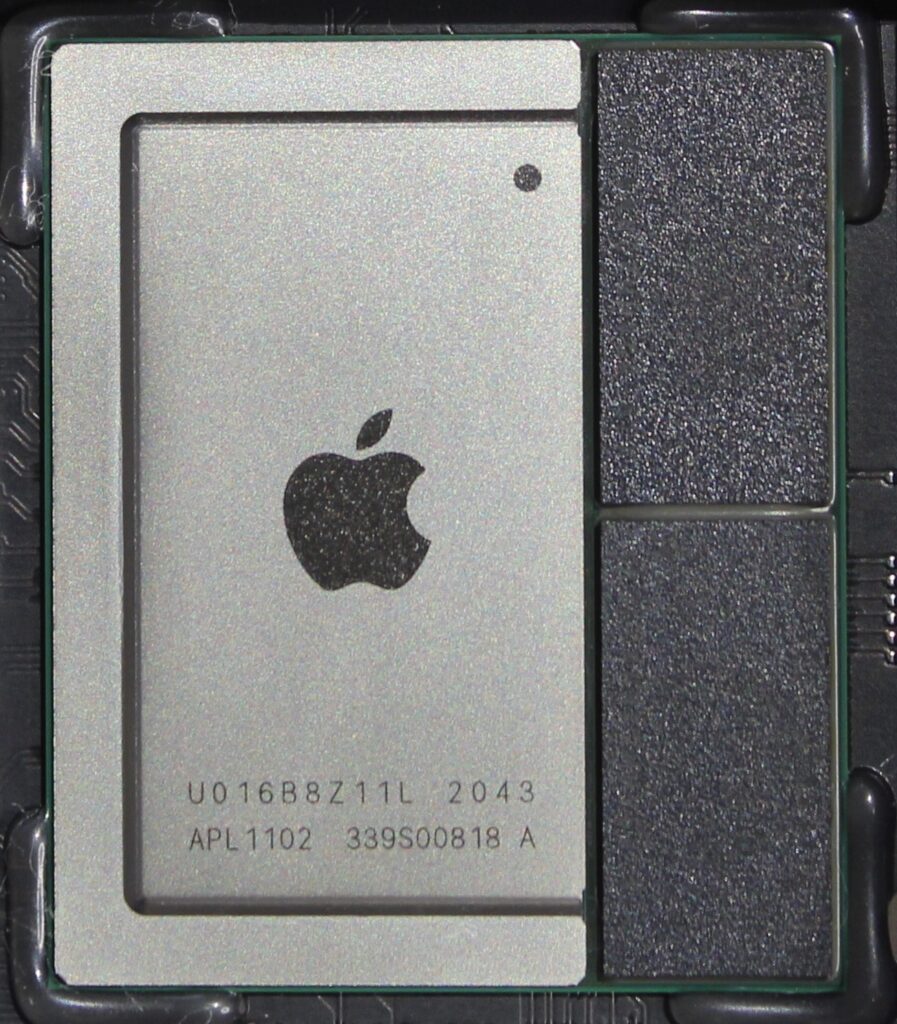
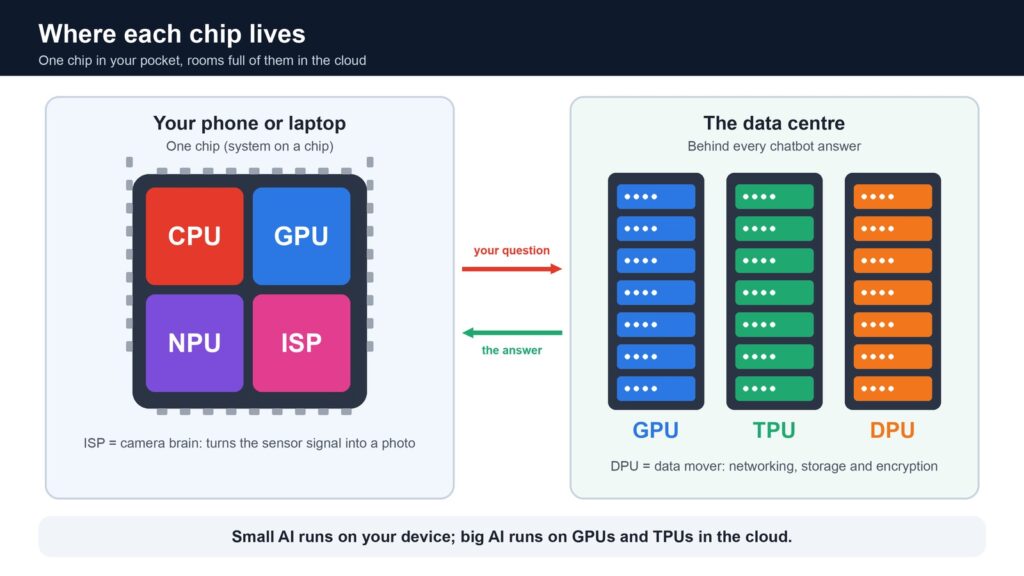
In phones, tablets and most new laptops, the CPU, GPU and NPU are not separate parts but areas of one chip, called a system on a chip (SoC). Apple’s M4, for example, combines a CPU with up to 10 cores, a GPU with up to 10 cores and a Neural Engine (Apple’s name for its NPU) rated at 38 TOPS, Apple says. Qualcomm’s Snapdragon, AMD’s Ryzen AI and Intel’s Core Ultra chips follow the same idea. Sharing one package saves space and energy, and lets each part pass work to the others quickly.
And the others
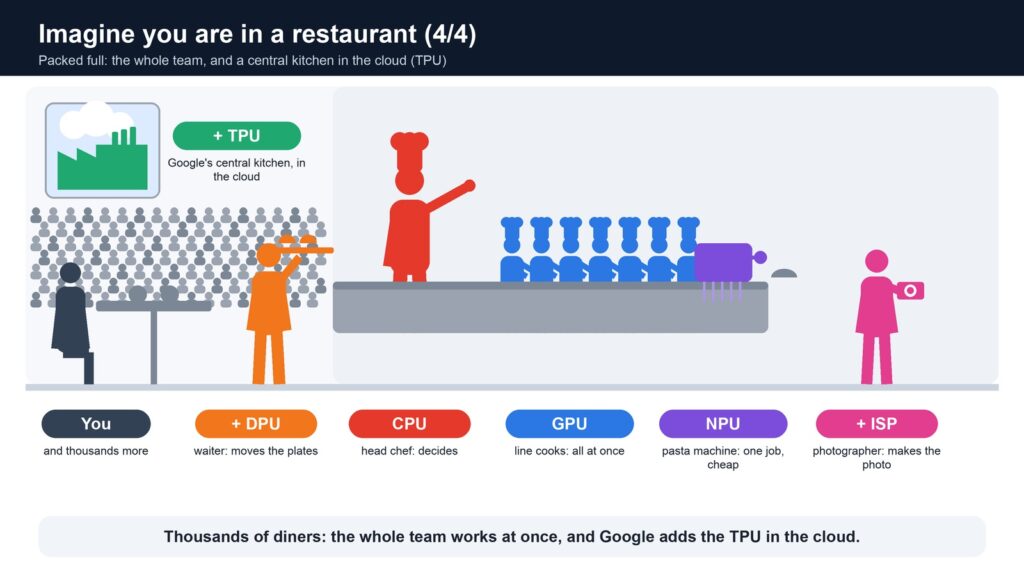
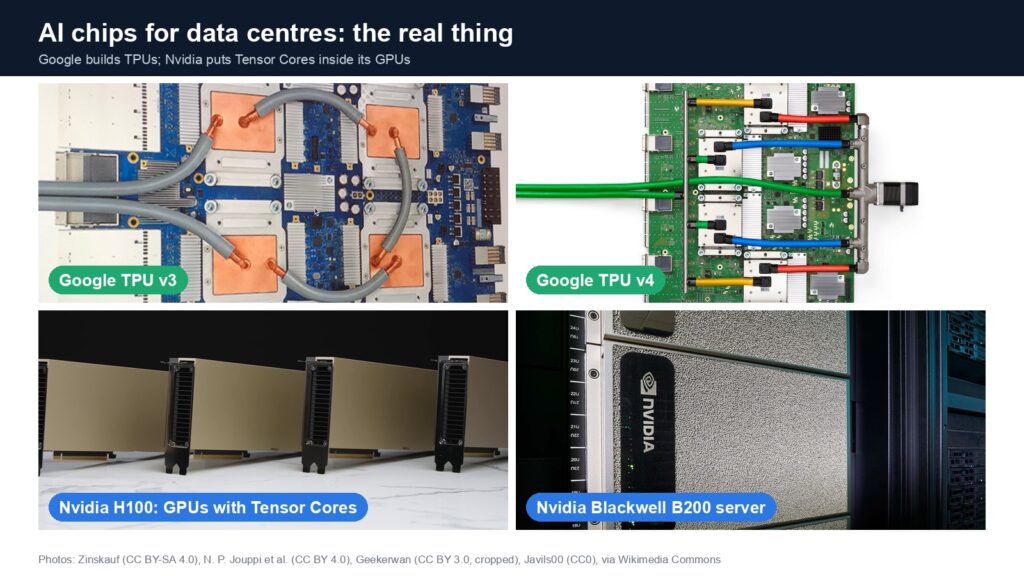
- TPU (tensor processing unit): Google’s own AI chip for its data centres, used to train and run Google’s own AI models and offered to other companies through Google Cloud. The seventh generation, Ironwood, became generally available in 2026, according to Google’s release notes, and Google has previewed an eighth generation split into separate chips for training and for answering questions, The Next Web reports. You can’t buy one for your PC: TPUs live in the cloud.
- DPU (data processing unit): a chip on a data-centre network card that takes over the plumbing, moving, encrypting and checking data, so the server’s CPUs can focus on real work. Nvidia’s BlueField is the best-known example, combining a fast network interface with its own Arm cores, Nvidia explains.
- ISP (image signal processor): the part of your phone’s chip that turns the raw signal from the camera sensor into a finished photo, handling colour, white balance, exposure, noise and autofocus. Qualcomm calls its version, Spectra, the camera’s brain.
Where it came from: Google revealed the TPU at its I/O conference in May 2016 and said the chips had already been working in its data centres for more than a year, PCWorld reported.
Not only Google: Nvidia doesn’t make TPUs, but it puts similar engines, called Tensor Cores, inside its data-centre GPUs. Other cloud giants design their own TPU-like chips too: Amazon has Trainium for training models and Inferentia for answering requests, Microsoft has the Azure Maia AI accelerator, and Meta has MTIA.
Where the DPU came from: BlueField started at the Israeli-American company Mellanox as a “smart” network card. After Nvidia completed its purchase of Mellanox in April 2020, it called these chips DPUs, ServeTheHome explains.
Where the ISP came from: it grew up with digital cameras. Kodak engineer Steven Sasson built a digital camera prototype in 1975, and camera makers later created their own image chips, such as Canon’s DIGIC, which in 2002 did all the signal processing on a single chip, Canon explains. Today every phone has an ISP inside its main chip.
What it means for you
- Everyday laptop: the CPU still matters most for how fast everything feels. An NPU of 40 TOPS or more adds the new Windows AI features.
- Games, video editing or running AI models yourself: the GPU and its memory make the biggest difference.
- Phone photos: much of the magic comes from the ISP and the NPU working together, not only from the camera itself.
- The big AI services: answers from chatbots come from data centres full of GPUs and TPUs, with DPUs moving the data around.
The short version: the CPU decides, the GPU does lots of simple maths at once, the NPU does AI cheaply on your device, and the rest are specialists for data centres and cameras.
Read next
- How many TOPS do you need? 13, 40, 50 or 100+ explained
- What are AI TOPS? NPU TOPS in laptops explained
- Nvidia RTX Spark: laptops that run big AI models offline
The week's best tech stories, free
One email a week with the stories that matter, explained simply. No spam.
Sources
- NPU vs. GPU: What’s the difference?, IBM Think, accessed 8 November 2026
- Copilot+ PCs developer guide, Microsoft Learn, updated August 2026
- Apple introduces M4 chip, Apple, 7 May 2024
- Cloud TPU release notes, Google Cloud, accessed 8 November 2026
- Ironwood TPUs deliver 3.7x carbon efficiency gains, Google Cloud blog, 2026
- Google launches Ironwood TPU and previews eighth-gen split into training and inference chips, The Next Web, April 2026
- Inside the DPU: Talk Describes an Engine Powering Data Center Networks, Nvidia, 19 August 2021
- Nvidia Reveals BlueField-3, BlueField-4 DPUs, Tom’s Hardware, April 2021
- How Snapdragon technology is revolutionizing smartphone photography with the Qualcomm Spectra ISP, Qualcomm, accessed 8 November 2026
- Qualcomm ISP explained, Android Authority