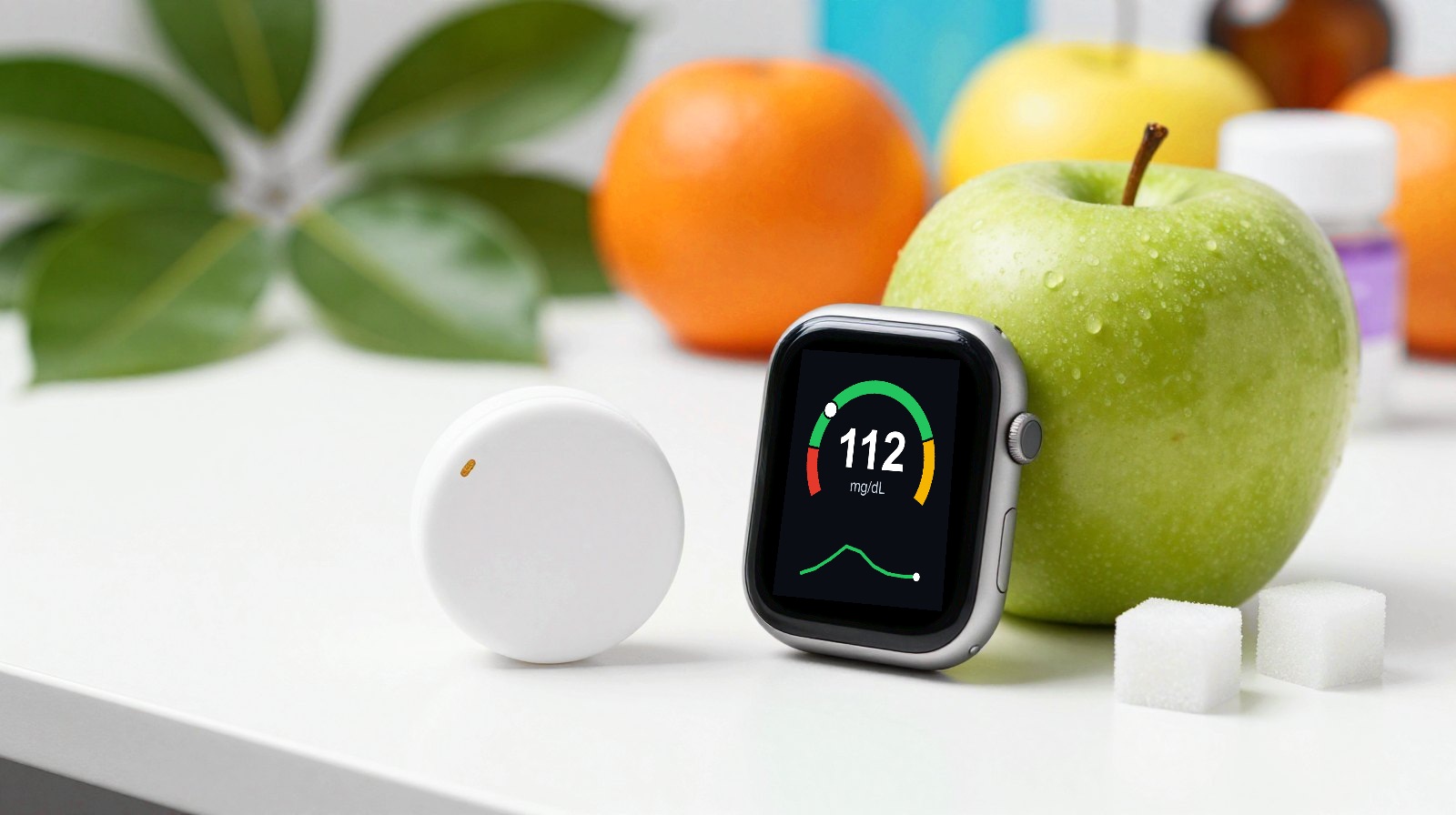
Scientists at ETH Zurich have built a small electronic implant that removes excess sugar from the blood with no insulin, no cells and no drugs. So far it has only worked in the lab and in mice, but the idea is new: treating high blood sugar with electronics rather than medicine. The study appeared in Science.
Why it matters: type 2 diabetes is common and usually needs lifelong treatment. A device that switches on only when sugar is too high could one day offer a different option. It’s a long way from the clinic, though, and this is not medical advice.
How it works
Think of it as a tiny sugar burner under the skin, with your watch as the switch:
- Sense: a glucose sensor on the upper arm spots a rise after a meal.
- Signal: it tells a smartphone or smartwatch over Bluetooth, which turns the implant on.
- Convert: a catalyst, made of graphite felt coated with gold and platinum, changes extra glucose into gluconate, which leaves the body in urine.
- Stop: when sugar reaches the target, it switches itself off, which is meant to prevent dangerously low blood sugar.
The team powers it wirelessly at 13.56 MHz, a short-range frequency set aside for industrial and medical uses. And because the catalyst uses no enzymes or living cells, it contains nothing biological.

What the mice showed
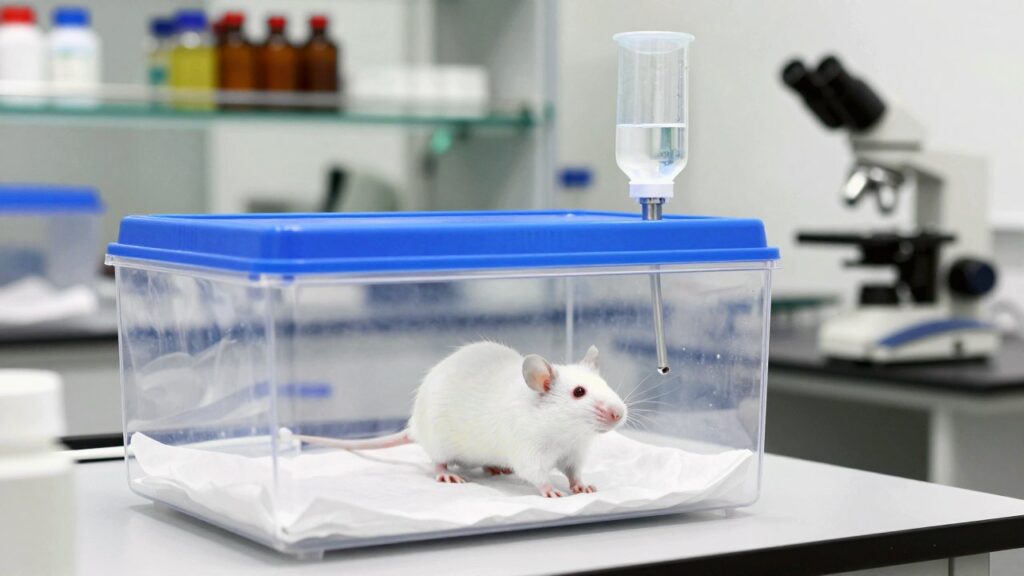
- Blood sugar: in diabetic mice, levels returned to normal in about an hour.
- Weight: the animals lost weight, up to 10 % over six weeks.
- Safety so far: the implant worked reliably for six weeks, and the team saw no evidence of tissue damage.
- Scale: in the lab, the catalyst also converted glucose in 5 litres of solution, about the amount of blood in a person.
Why experts are cautious
Mice aren’t people, and six weeks says little about years of use. Endocrinologist David Klonoff, who wasn’t involved, told The Independent it’s “a potentially promising method”, but that the risks must be ruled out first, including how much gluconate human kidneys can handle. Michael Roden of the German Diabetes Center said long-term safety in people remains open.
What happens next
Martin Fussenegger’s team wants to develop the system into a medical device, and no human trial date has been given. The wireless power and control parts are already on the market, which should help. If you live with diabetes, keep following your care plan: this is early science, not a treatment.
Read next
- Robot skin that feels ‘pain’ pulls fingers away from needles
- First touchscreen woven into clothing: a sleeve that plays video
The week's best tech stories, free
One email a week with the stories that matter, explained simply. No spam.
Sources
- Tackling diabetes with an electronic implant – ETH Zurich, 22 October 2026
- New diabetes implant uses electricity to lower blood sugar – ScienceDaily, 2 November 2026, on the study in Science
- Wirelessly powered electronic implant – GEN, October 2026
- Drug-free diabetes implant offers ‘promising’ future – The Independent via Newswav, 4 November 2026
- Researchers use electricity to filter excess sugar from the blood – blue News, October 2026