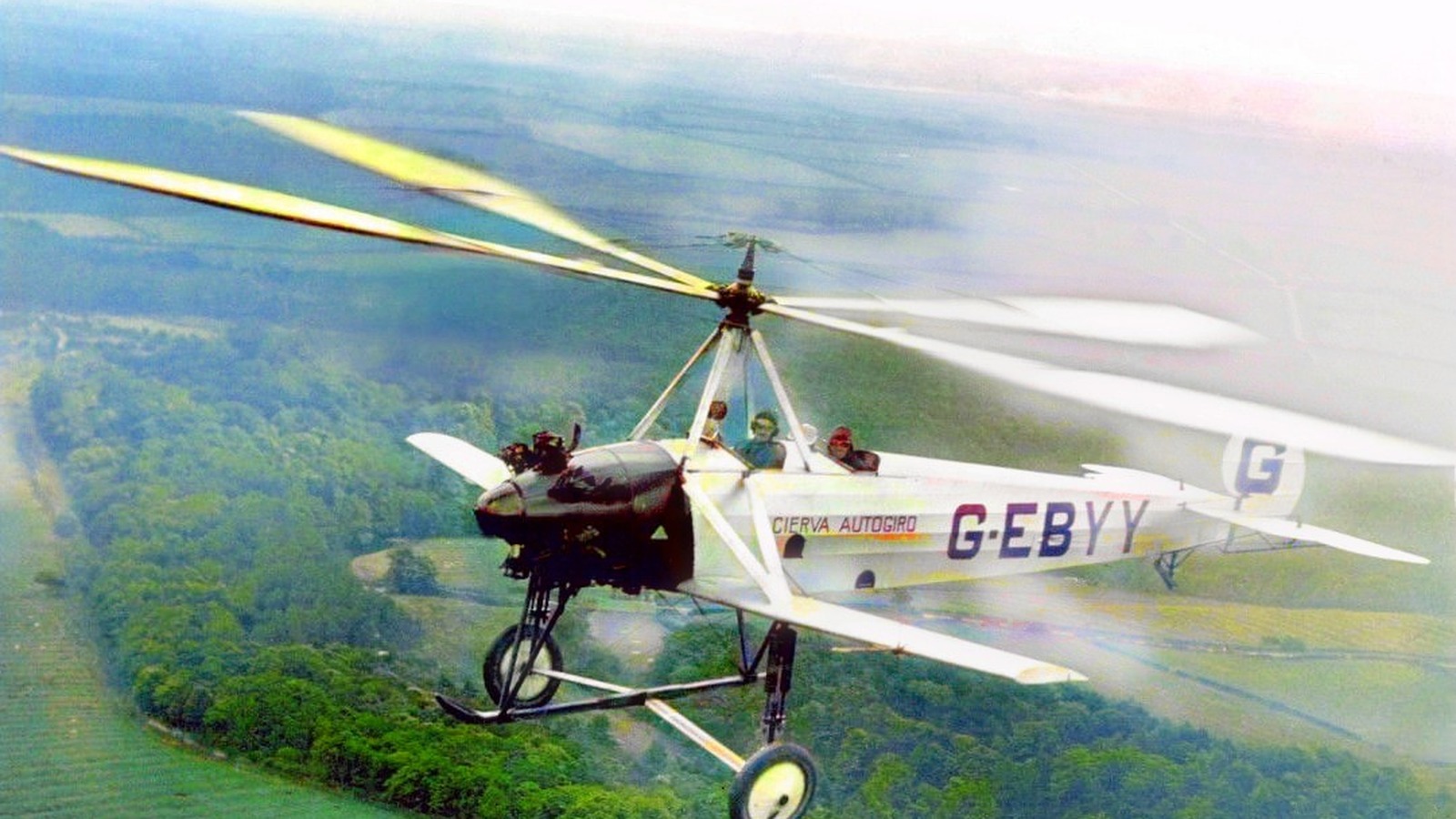
The new episode of our documentary series SPANISH GENIUSES is about a machine designed so it would not stall: if its engine stopped, it came down slowly, almost vertically. It is the autogiro, and its inventor was Juan de la Cierva, an engineer born in Murcia in 1895. Chapter 3, “Autogiro: the ‘parachute’ plane”, is out now: watch it here.
Why it matters: the hinged rotor blades Cierva developed for his autogiro were the key to making a spinning wing fly, and they became a key idea for the helicopter, according to the Museo del Aire of Spain’s Air and Space Force and the Daniel Guggenheim Medal he received in 1932.
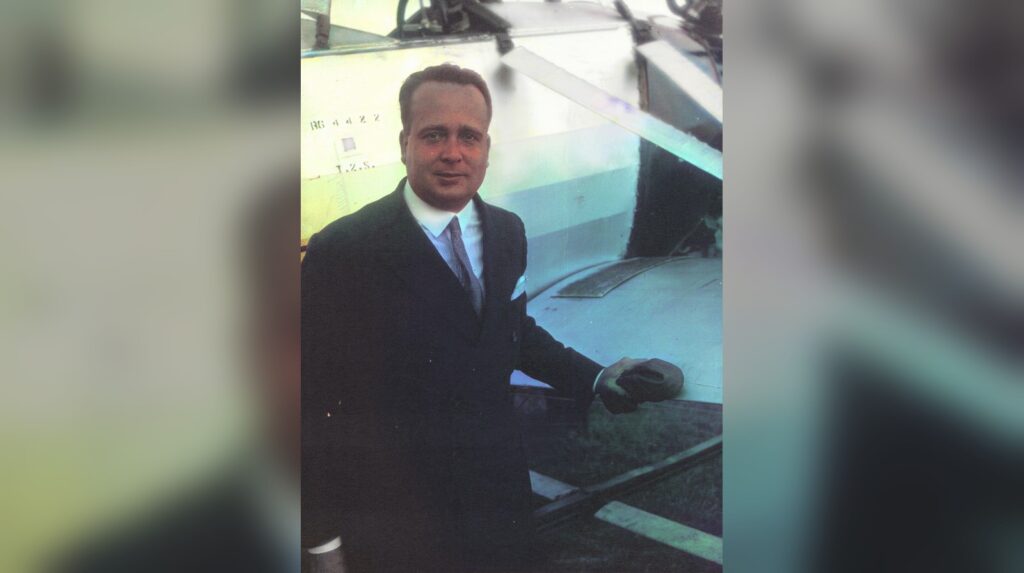
A crash that started it all
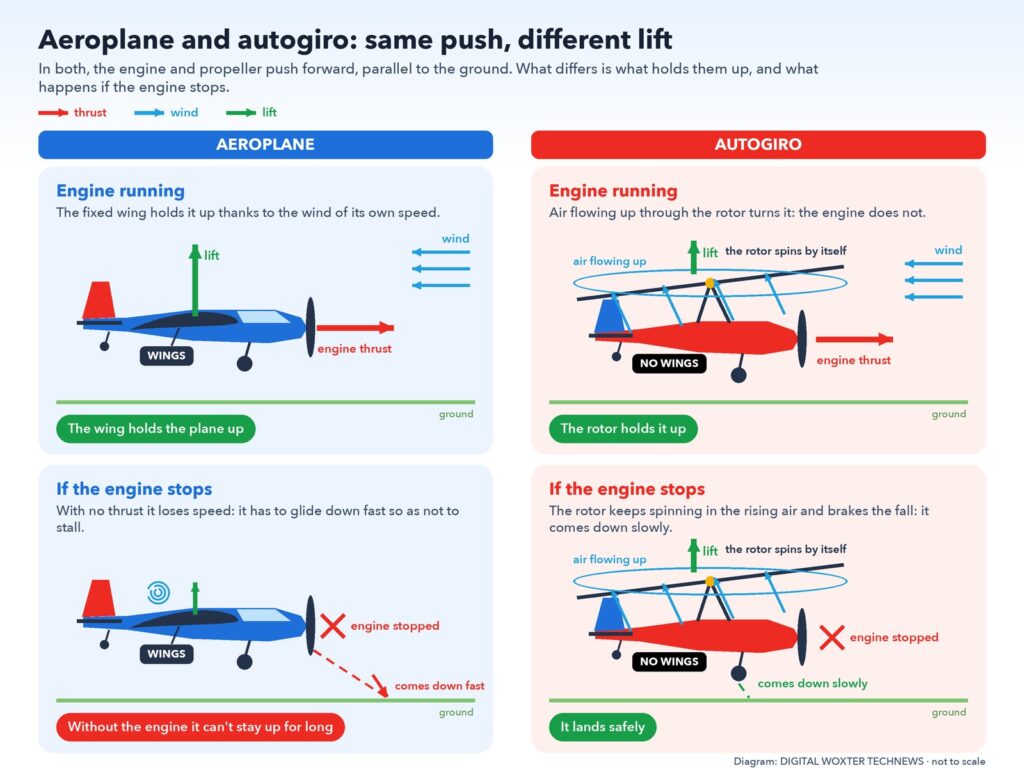
In 1919 a large bomber Cierva had designed for an army competition crashed on a test flight and was destroyed. An ordinary plane needs speed to stay in the air: if it flies too slowly, the wings stop lifting and it falls, a stall. Cierva set out to build a machine that would not fall when it lost speed and could land slowly, as the Royal Academy of History and the Guggenheim Medal citation both tell.
His answer was a rotor the engine does not drive: the air itself keeps it turning, which engineers call autorotation. His first three attempts tipped over sideways, because the blade moving into the wind lifts more than the one moving away. The fix was a hinge at the root of each blade, so it could flap up and down on every turn and even out the forces.
January 1923: the machine that came down slowly
The C.4, his first autogiro with hinged blades, flew in January 1923 at Getafe, near Madrid, piloted by Lieutenant Alejandro Gómez Spencer. Cierva was 27. Witnesses described descents that were remarkably slow and almost vertical, as Flight magazine reported in May 1923, and a Spanish account translated that year by NACA, NASA’s predecessor, said it could settle vertically without forward speed.
There is a link with our previous episode. The autogiro was tested in the wind tunnel of the Cuatro Vientos aerodynamic laboratory in Madrid, run by Emilio Herrera, the engineer of the stratospheric suit in Chapter 2. According to the certificate published in 1923, Herrera himself signed the record of the autogiro’s 4 km closed-circuit flight on 31 January 1923.
Autogyros today
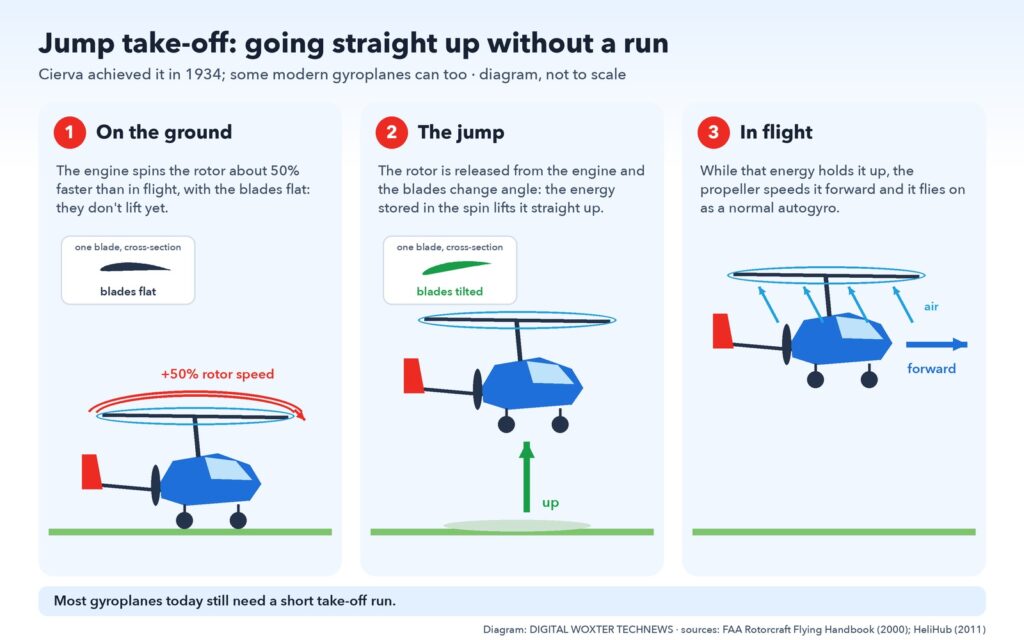
Autogyros still fly, and a few can now do what Cierva only achieved at the end of his life: take off straight up, without a run. His autogiro first lifted itself vertically into the air in 1934, as the U.S. Centennial of Flight Commission recalls. Today this is called a jump take-off. According to the FAA’s rotorcraft flying handbook, the rotor is spun on the ground about 50% faster than in flight; then the blades change angle, and the energy stored in the spin lifts the machine and keeps it up while it speeds forward. The Carter PAV prototype, in the United States, made its first jump take-off in January 2011, HeliHub reported. Only a few gyroplanes can do it, though, as the Experimental Aircraft Association notes; the rest still need a short take-off run.
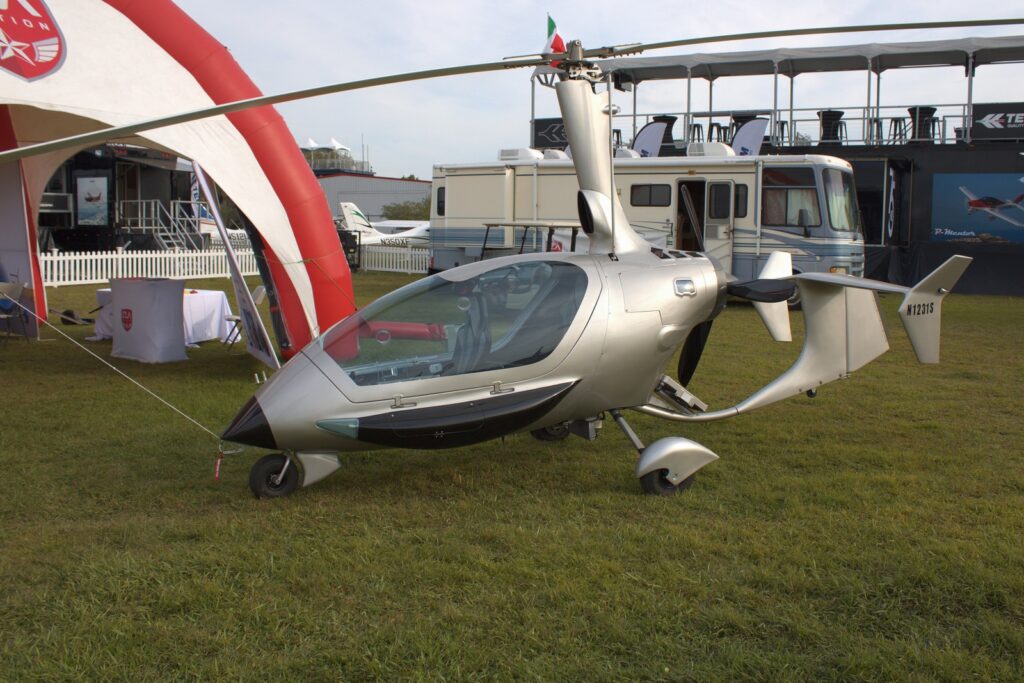
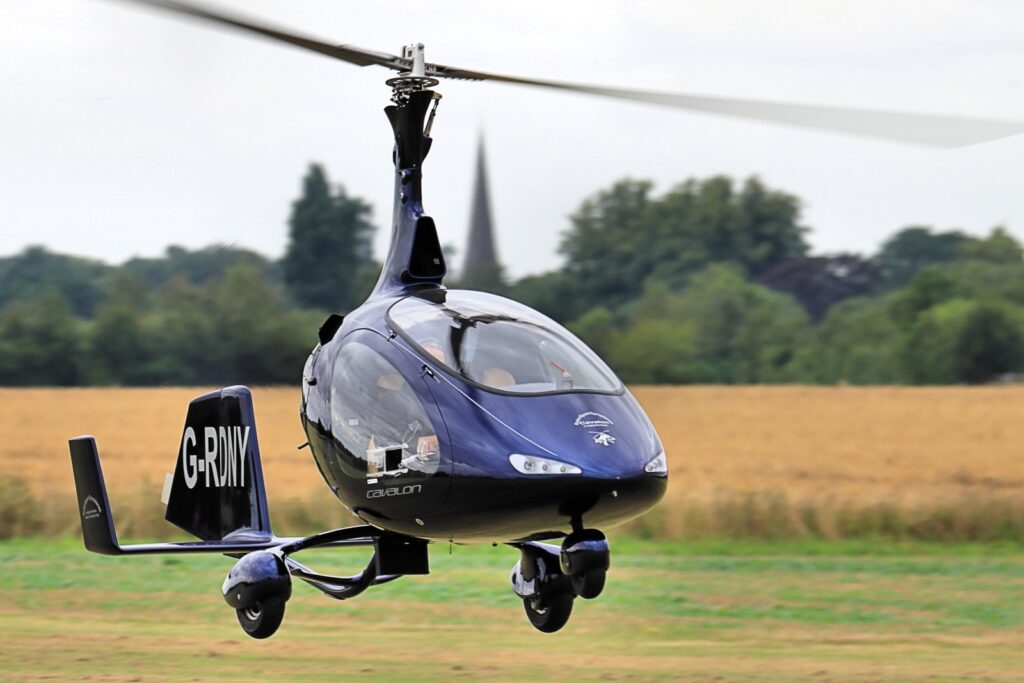
Spain still builds autogyros. ELA Aviación, founded in 1996 and based in Fuente Obejuna (Córdoba), makes models such as the ELA 10 Eclipse, a two-seater with a fully enclosed cabin, and the faster Eclipse EVO, introduced in 2021, according to the company. It has delivered more than 1,000 autogyros, reports Vertiflite, the magazine of the Vertical Flight Society.
How to watch the series
Chapter 3 is now on our YouTube channel and on the series page, told with real archive photographs and every fact checked against reliable sources. You can also watch Chapter 1, Leonardo Torres Quevedo and Chapter 2, Emilio Herrera, or see every episode on the SPANISH GENIUSES page. Subscribe to TechNews on YouTube and turn on notifications so you don’t miss the next episode.
Read next
- New series Spanish Geniuses: Emilio Herrera, pioneer of the astronaut’s suit
- New series Spanish Geniuses: Torres Quevedo, the forgotten genius
The week's best tech stories, free
One email a week with the stories that matter, explained simply. No spam.
Sources
- Una mirada a Juan de la Cierva, inventor del autogiro – Museo de Aeronáutica y Astronáutica, Ejército del Aire y del Espacio, 2021
- Juan de la Cierva y Codorniu – Adolfo Roldán Villén, Diccionario Biográfico Español, Real Academia de la Historia
- Medalist for 1932: Juan de la Cierva – Daniel Guggenheim Board of Award / AIAA
- The “Autogiro” – M. Moreno-Caracciolo, NACA Technical Memorandum 218, July 1923
- The Cierva “Autogiro” – Flight, 24 May 1923 (reproduction)
- Pitcairn-Cierva Autogiro Company of America PCA-1A – Smithsonian National Air and Space Museum
- Emilio Herrera Linares, artífice de la ingeniería aeronáutica española – Enrique Gudín de la Lama, Llull 46 (92), 2023
- The Contributions of the Autogiro – U.S. Centennial of Flight Commission
- Rotorcraft Flying Handbook (FAA-H-8083-21), gyroplane chapters – Federal Aviation Administration, 2000
- Carter PAV completes Phase I flight testing – HeliHub, 29 January 2011
- Great Big Gyroplane Grins: The Modern Resurgence of a Misunderstood Machine – Beth E. Stanton, EAA, 25 April 2019
- ELA Aviation: developing gyrocopters since 1996 – ELA Aviación
- AERO Friedrichshafen 2024 – Kenneth I. Swartz, Vertiflite (Vertical Flight Society), July/August 2024