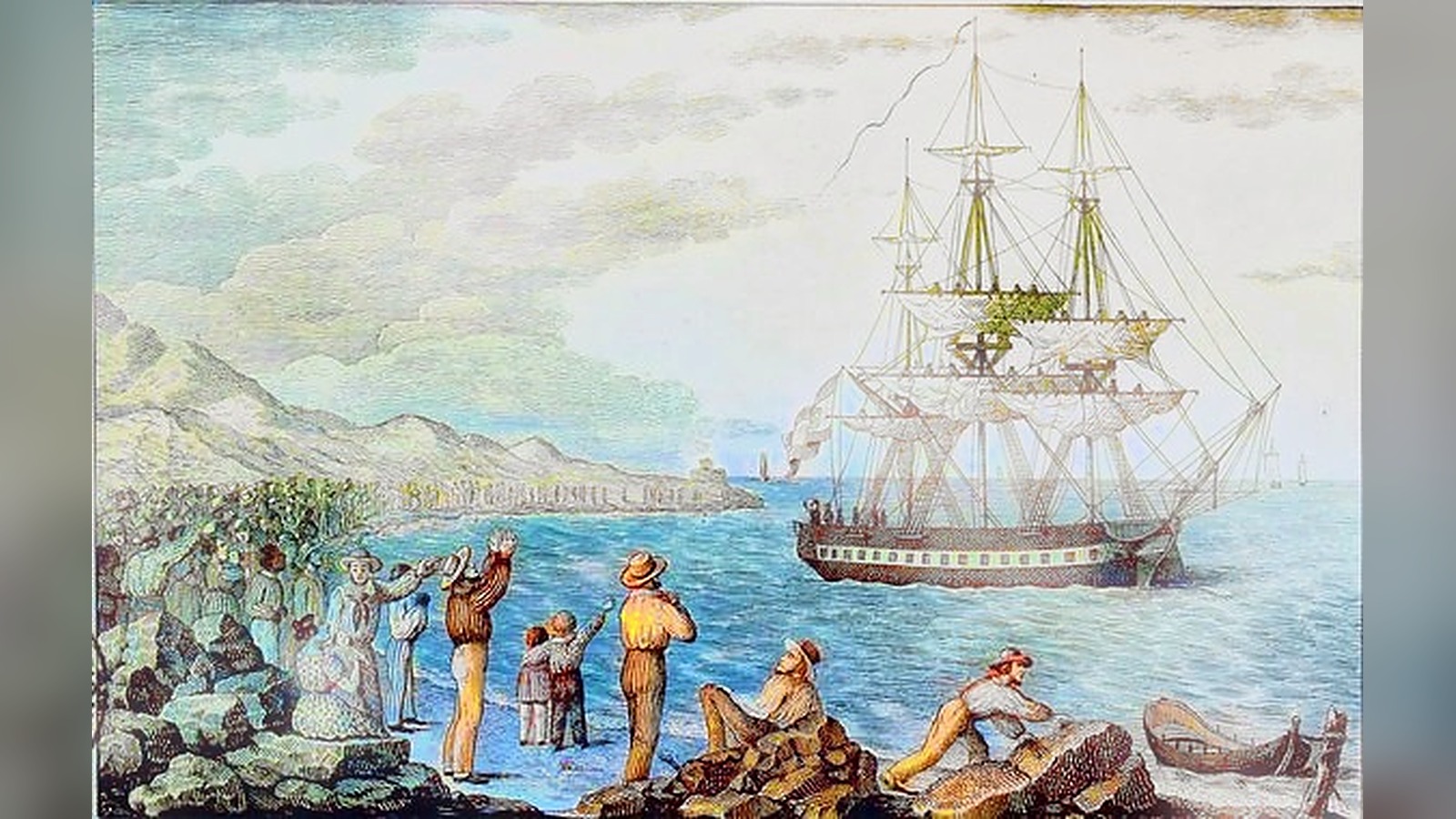
The next episode of our documentary series SPANISH GENIUSES tells one of the most astonishing medical adventures in history. In 1803, long before refrigerators existed, the smallpox vaccine crossed the ocean alive, carried in the arms of 22 children. A woman from Galicia looked after them: Isabel Zendal. Chapter 4, “Isabel Zendal: the first international vaccine”, is coming soon.
A vaccine that could not survive the trip
In 1796, the English doctor Edward Jenner showed that fluid from a cowpox sore protected people against smallpox, one of the deadliest diseases of his time, as the World Health Organization recalls. But getting the vaccine to the Americas was a problem: kept dry, on silk threads or between two pieces of glass, it spoiled on long, hot voyages, as historians Catherine Mark and José Rigau-Pérez explain in the Bulletin of the History of Medicine.
The idea: a chain of arms
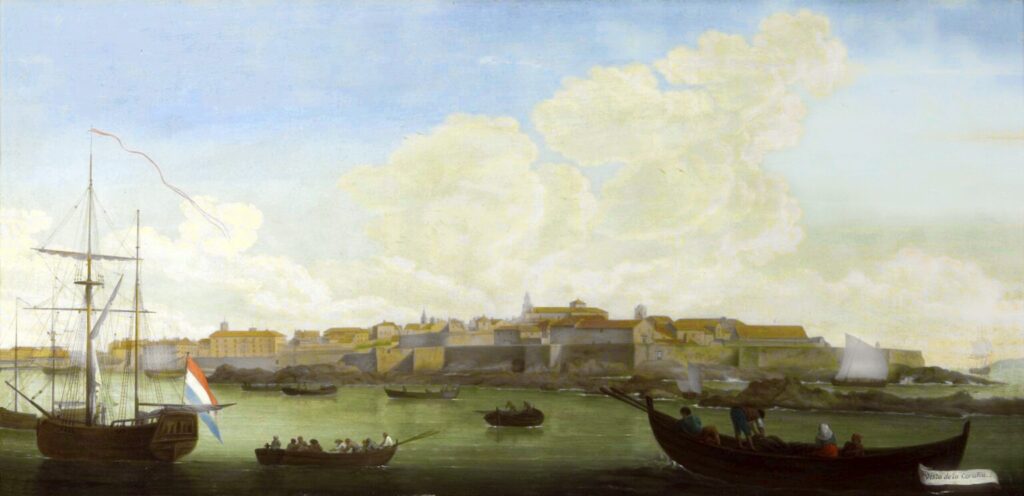
The answer of the Royal Philanthropic Vaccine Expedition, paid for by the Spanish Crown and led by the doctor Francisco Xavier Balmis, was to carry it in people. On 30 November 1803 the corvette María Pita sailed from A Coruña with 22 boys from foundling homes, aged 3 to 9. Every nine or ten days two boys were vaccinated with fluid from the sores of the two before them, so the vaccine reached the other side of the ocean still alive, according to the Spanish Society for Microbiology.
The expedition’s nurse
Isabel Zendal was the head of the foundling home in A Coruña, the house for abandoned children. A royal order of 14 October 1803 made her the expedition’s nurse, to look after the children during the voyage. She was the only woman on board, according to the study by Susana Ramírez Martín and José Tuells in the journal Vacunas. With her travelled Benito, aged about nine, whom documents of the time call her son.
The vaccine reached the Canary Islands, Puerto Rico, Venezuela, Cuba and Mexico. In 1805, from Acapulco, Zendal crossed the Pacific to Manila with 26 Mexican boys, and Balmis took the vaccine on to Macao and Canton, in China. In a report, Balmis described her as “tireless night and day”. Afterwards she settled in Puebla, Mexico, with her son. She last appears in the records there in 1811, and nobody knows when she died.
No portrait of her survives either. The statues that remember her today, like the one in A Coruña, are modern works.

Why it matters
Historians call it the world’s first immunisation campaign, as the title of Mark and Rigau-Pérez’s study puts it. It vaccinated hundreds of thousands of people and left vaccination boards in many cities, so the vaccine stayed alive after the expedition moved on. Today a nursing award from the government of Mexico and Madrid’s Enfermera Isabel Zendal Hospital, opened in December 2020, carry her name. That same year Spain’s Armed Forces named their COVID-19 mission Operation Balmis.
How to watch the series
Chapter 4 arrives soon on our YouTube channel and on the series page, told with real archive images and every fact checked against reliable sources. Until then you can watch Chapter 1, Leonardo Torres Quevedo, Chapter 2, Emilio Herrera, and Chapter 3, Juan de la Cierva, or see every episode on the SPANISH GENIUSES page. Subscribe to TechNews on YouTube and turn on notifications so you don’t miss it.
Read next
- New series Spanish Geniuses: Autogiro: the “parachute” plane
- New series Spanish Geniuses: Emilio Herrera, pioneer of the astronaut’s suit
- New series Spanish Geniuses: Torres Quevedo, the forgotten genius
The week's best tech stories, free
One email a week with the stories that matter, explained simply. No spam.
Sources
- The World’s First Immunization Campaign: The Spanish Smallpox Vaccine Expedition, 1803–1813 – Catherine Mark and José G. Rigau-Pérez, Bulletin of the History of Medicine 83(1), 2009
- Doña Isabel, la enfermera de la Real Expedición Filantrópica de la Vacuna – Susana María Ramírez Martín and José Tuells, Vacunas 8(3), 2007 (in Spanish)
- Bicentenario de la expedición Balmis de la vacuna (1803-06) – José E. García de los Ríos and Pedro A. Jiménez Gómez, Actualidad SEM 39, Spanish Society for Microbiology, 2005 (in Spanish)
- Papel de Isabel Zendal en la Expedición Balmis – Pediatría Atención Primaria XXI(81), 2019 (in Spanish)
- Un cómic y un libro monográfico rememoran la primera campaña global de vacunación: la Expedición de Balmis – CSIC, 30 November 2021 (in Spanish)
- History of smallpox vaccination – World Health Organization
- Premios al Mérito, Día Mundial de la Salud 2019 – Consejo de Salubridad General, Government of Mexico (in Spanish)
- Díaz Ayuso inaugura el Hospital Enfermera Isabel Zendal – Comunidad de Madrid, 1 December 2020 (in Spanish)
- Real Decreto 701/2020, Operation Balmis commemorative medal – Boletín Oficial del Estado, 29 July 2020 (in Spanish)