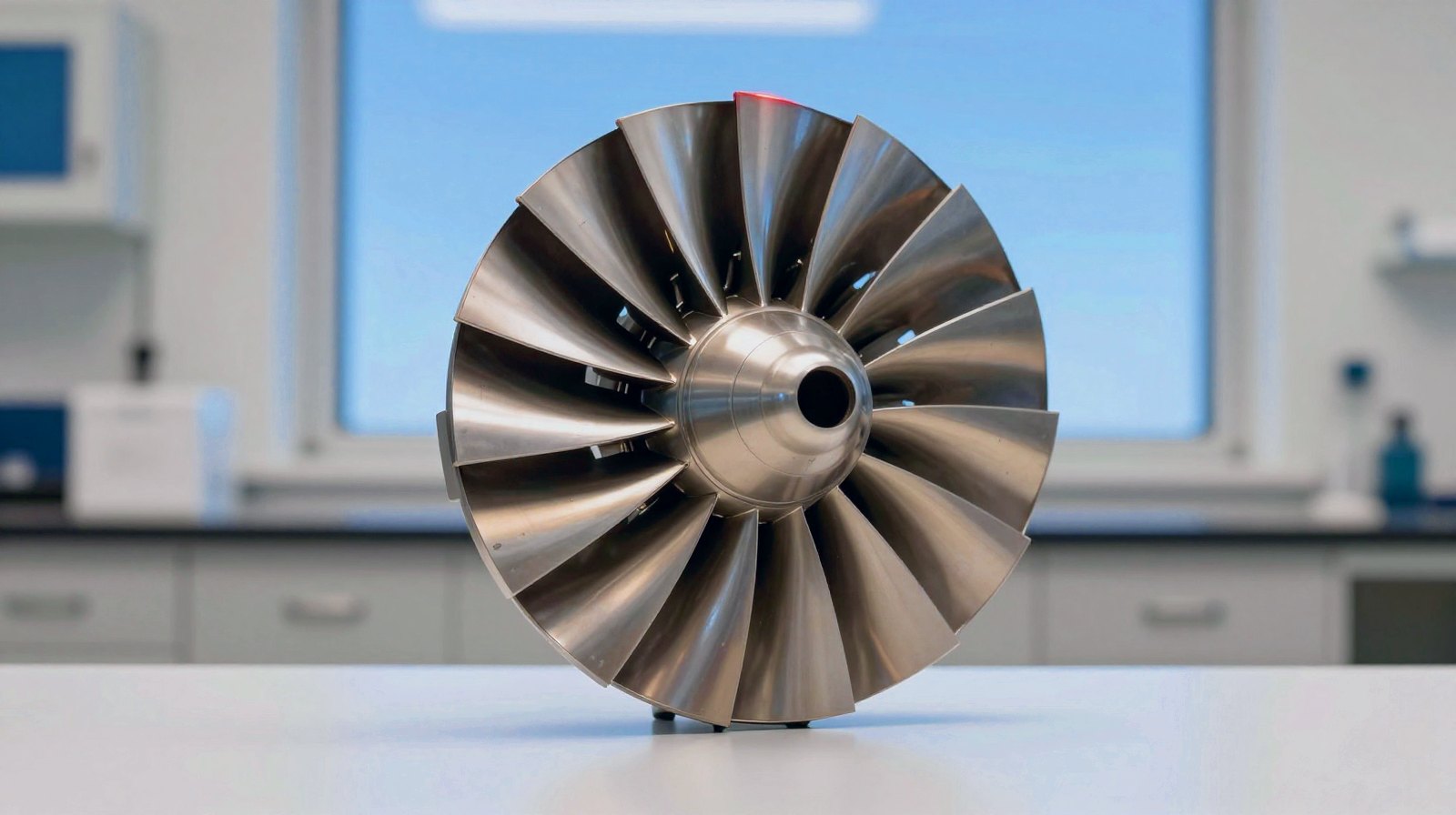
Engineers usually treat flaws in metal as the enemy. A team at Ohio State University has turned some of them into allies: by carefully arranging tiny defects inside two heat-resistant alloys, they made the metals stronger without changing a single ingredient. The study is published in Science and described by Ohio State News.
Why it matters: the hottest parts of jet engines and power plants run on special alloys that must stay strong while glowing hot. Making them tougher usually means changing the recipe, adding rarer or costlier elements. A way to strengthen them just by reorganising what is already there could lead to longer-lasting parts, and to more sustainable materials.
What the team did
Metals are made of crystals: atoms stacked in neat, repeating rows. Real crystals are never perfect. When metal is bent or squeezed, layers of atoms slip and leave behind atomically thin “mistakes” in the stacking. Normally these defects are just a side effect.
Led by Andreas Bezold and Michael Mills, the researchers used a simple two-step recipe on a cobalt-nickel-based superalloy and a cobalt-chromium-tungsten alloy:
- Deform the crystals, creating many of those thin defects.
- Age them with slow, gentle heating, so the defects settle into dense, ordered networks.
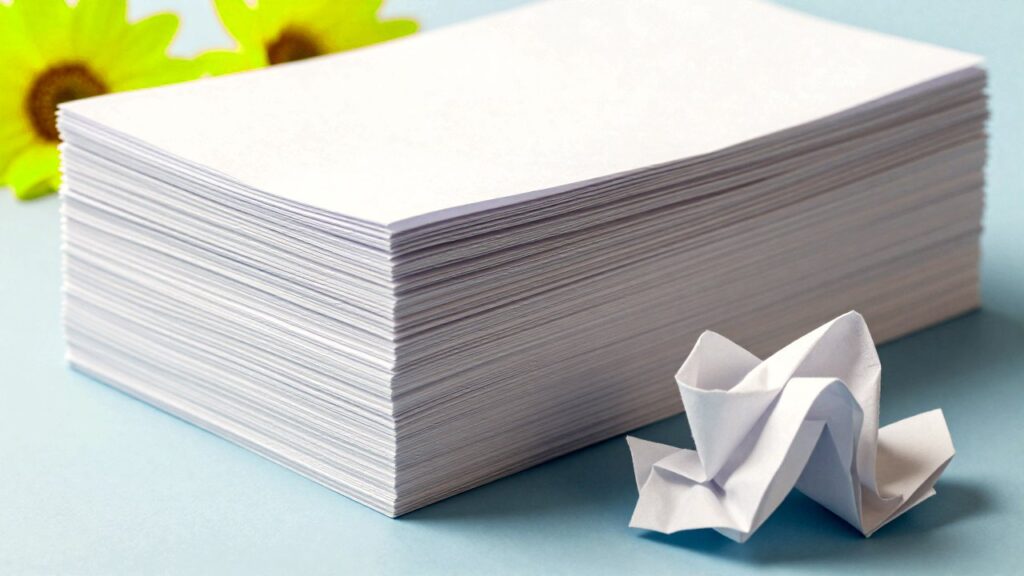
Think of it like a stack of paper: random creases make it floppy, but folding it on purpose into a pattern can make it surprisingly stiff.
What changed
The treated alloys could withstand significantly more stress, and resisted creep (the slow warping that hot metal suffers under load, the main way turbine blades wear out) much better, according to Ohio State and Interesting Engineering. The chemistry stayed exactly the same. Using powerful electron microscopes and computer simulations, the team traced the extra strength to how atoms arrange themselves around the defects.
“Seeing the strengthening process on the atomic scale was quite stunning,” Mills said in the university’s release. The work builds on the group’s earlier finding, from 2017, that defects formed during deformation can turn into strengthening layers, and it involved researchers from the University of Erlangen-Nuremberg in Germany and Lawrence Livermore National Laboratory in the US.
What happens next
This is lab research, not a product yet. The reports do not give strength figures for finished engine parts, and the method still has to be tested on full-size components and other alloys. But it adds a new lever for materials engineers: instead of only changing what a metal is made of, they can also design the flaws inside it. Bezold said the team hopes the idea “becomes a new lever” for alloy design.
Read next
- Cold-resistant alloys stay tough at -253°C, where metals snap
- Boiling coolant inside chips: a safer way to tame AI heat
- Zinc-air batteries that recharge: new catalyst runs 300 hours
The week's best tech stories, free
One email a week with the stories that matter, explained simply. No spam.
Sources
- Engineering ordered two-dimensional defect phases to strengthen structural alloys – A. Bezold et al., Science, 15 October 2026
- Enhancing hidden defects to strengthen metal materials – Ohio State News, 15 October 2026
- Jet engines to endure extreme heat with stronger metal alloys – Interesting Engineering, October 2026
- Flaws become reinforcements: engineered crystal defects strengthen metals without changing their chemistry – Tech Xplore, 18 October 2026