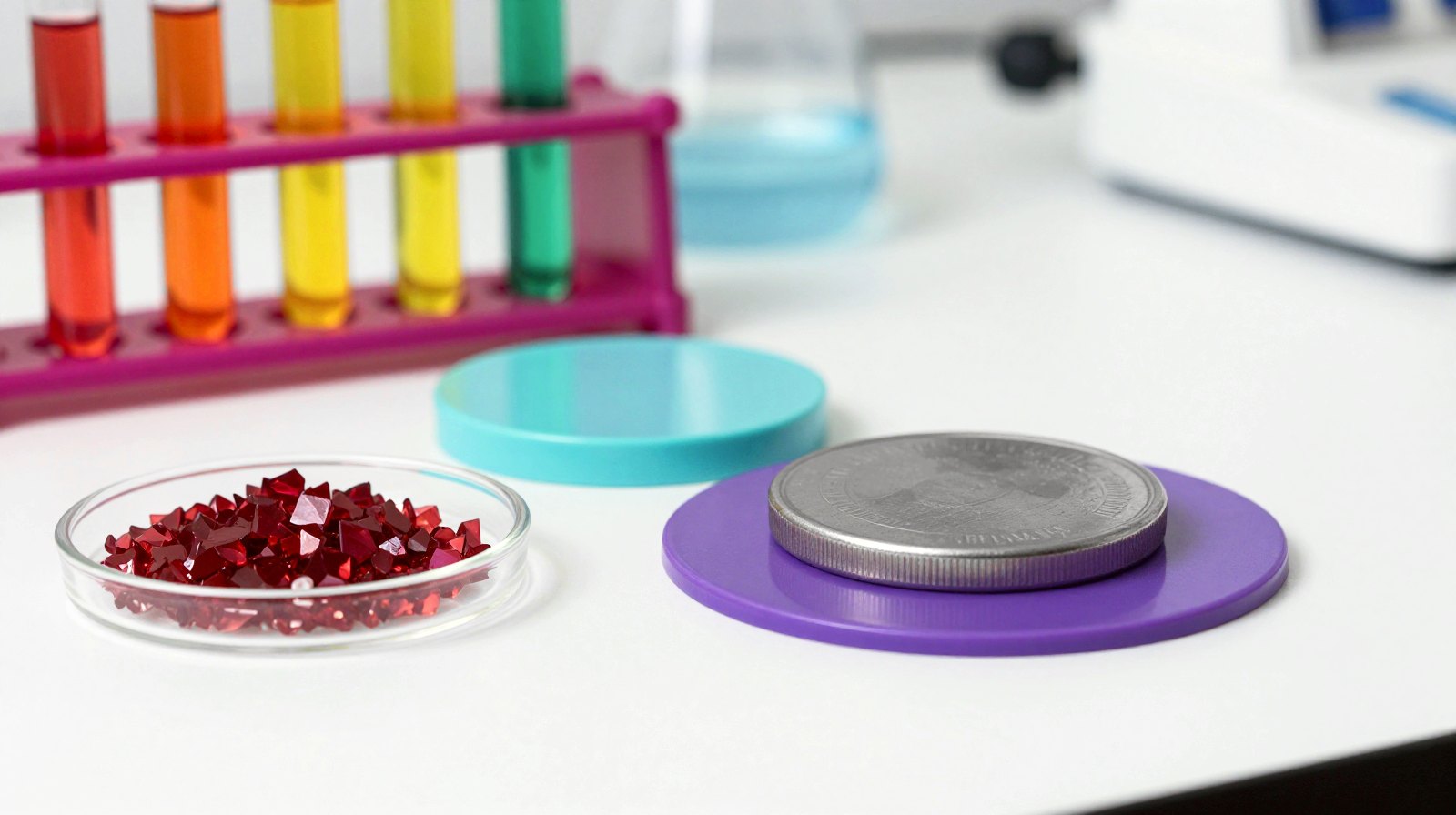
Scientists in Spain have built a rechargeable battery that runs with the help of vitamin B12, the same vitamin you’ll see on the label of many multivitamins. The prototype, from the University of Córdoba, lasted up to 250 charge and discharge cycles.
No, you can’t power your phone with a supplement. The vitamin isn’t the fuel here. It is the helper that makes the chemistry work. If that helper can come from a common biomolecule, batteries for storing wind and solar power could one day be cheaper and kinder to the planet.
What’s a zinc-air battery?
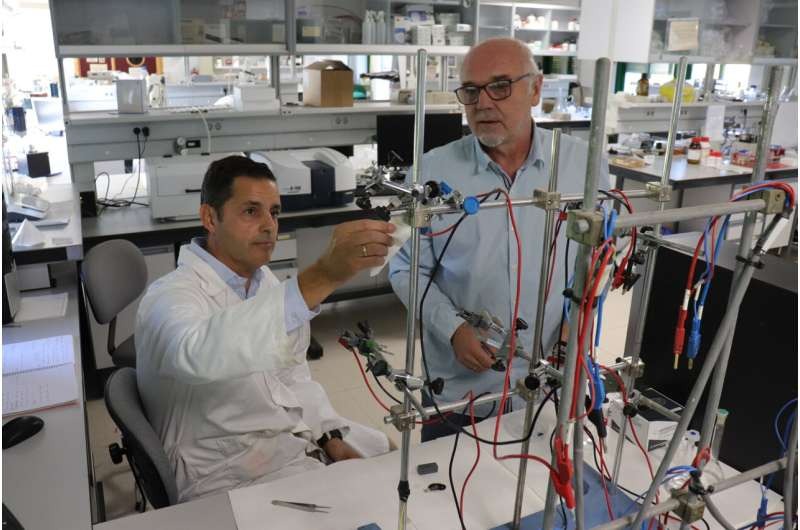
This prototype is a zinc-air battery. On one side there is zinc, a common metal that is easy to recycle. On the other side there is oxygen, which the battery simply takes from the air. Because it doesn’t have to carry that oxygen around, it can be lighter.
These batteries also use a water-based liquid inside, which can’t catch fire. The university lists high energy density, abundant zinc and that fire safety as their main attractions. We looked at another approach a few weeks ago, in zinc-air batteries that recharge.
Their weak spot is the air side. The chemical reaction with oxygen is slow, and it needs a catalyst, a substance that speeds up a reaction without being used up. To make the battery rechargeable, that catalyst has to work in both directions.

Where the vitamin comes in
At the heart of vitamin B12, also called cobalamin, sits an atom of cobalt. That cobalt is what makes the reaction go more easily. During discharge, the vitamin helps turn oxygen into water. During recharging, it helps produce oxygen again.
There was one big problem. B12 dissolves very easily, and this battery is full of water-based liquid. Left alone, the vitamin would simply wash away from where it’s needed.
The team’s fix was to anchor it to single-walled carbon nanotubes, tiny rolled-up tubes of carbon. Think of pinning a helper to a tiny scaffold so it can keep working without drifting off.
Third time lucky
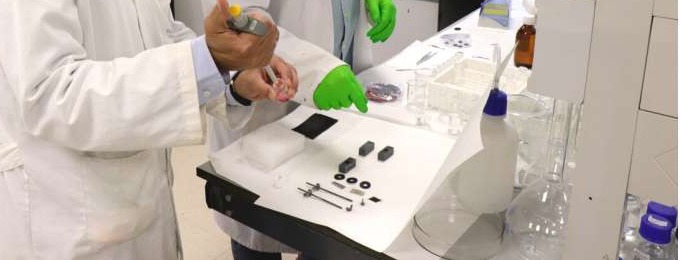
This is the group’s third battery catalyst made from a biomolecule. It already tried haemoglobin, the protein that carries oxygen in your blood, and catalase, an enzyme. What’s new with B12 is that the battery can be recharged, which the team sees as the real step forward. The work is published in the Journal of Materials Chemistry A.
What it doesn’t tell us yet
- 250 cycles is a modest number. It’s a promising result for a lab prototype, but a battery for daily use would need to last far longer.
- There’s no price yet. The announcement mentions cheaper storage as a possibility, but gives no cost figures.
- It’s still a prototype. Nobody is claiming that this battery is ready for sale, and we found no independent test of the results so far.
What happens next
The team sees storing surplus renewable energy as a possible use. That’s a future goal, not something this battery has done. The next sign of progress to watch for is a longer life, because that decides whether a clever lab idea can become something useful.
Read next
- Zinc-air batteries that recharge: new catalyst runs 300 hours
- Why the power grid hiccups every minute: batteries on a clock
- White aerogel keeps roofs cool in full sun without electricity
The week's best tech stories, free
One email a week with the stories that matter, explained simply. No spam.
Sources
- The UCO develops a rechargeable battery that runs on vitamin B-12, University of Córdoba via EurekAlert!, 4 November 2026
- Rechargeable battery prototype runs on vitamin B12, Tech Xplore, 5 November 2026
- A vitamin B12-based air electrode for high-performance rechargeable zinc–air batteries, Journal of Materials Chemistry A, 25 August 2026